
Last updated November 23, 2026
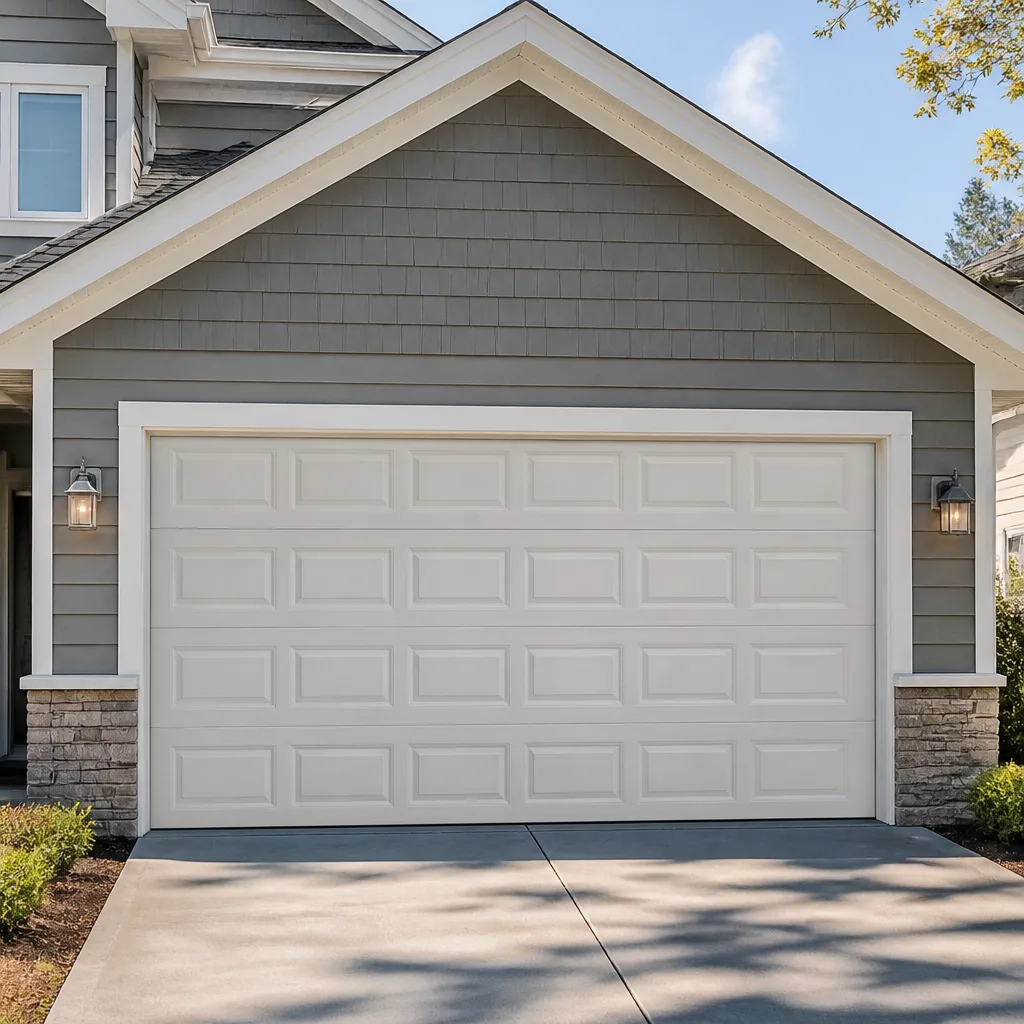 Raised-panel steel
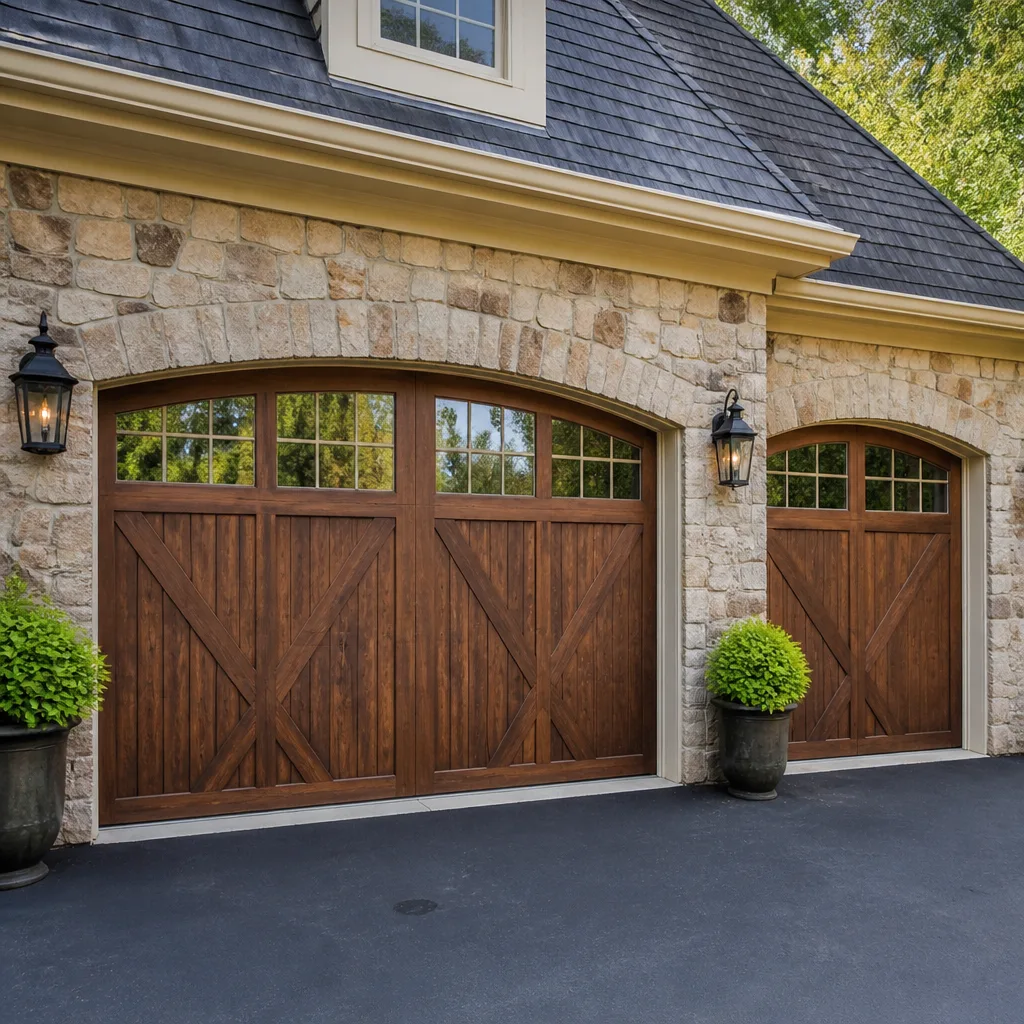 Carriage house
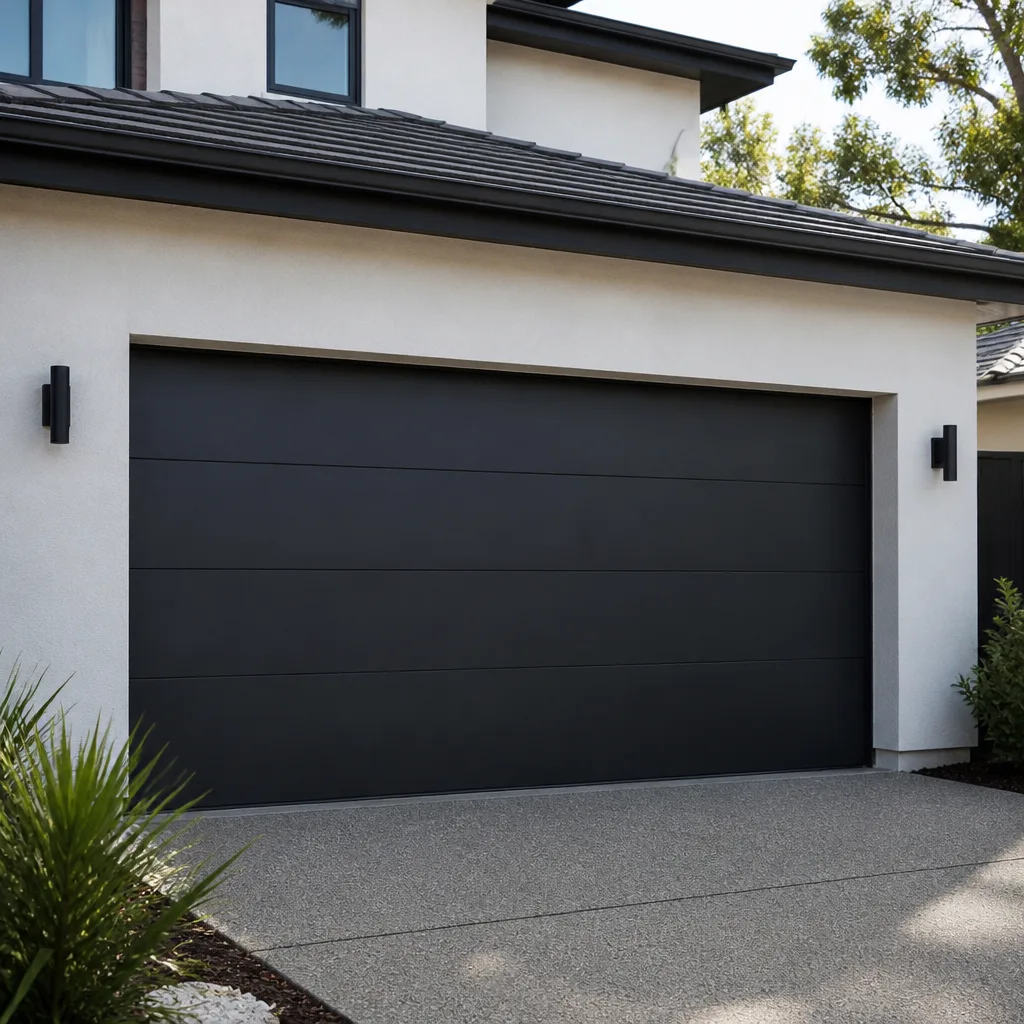 Modern flush
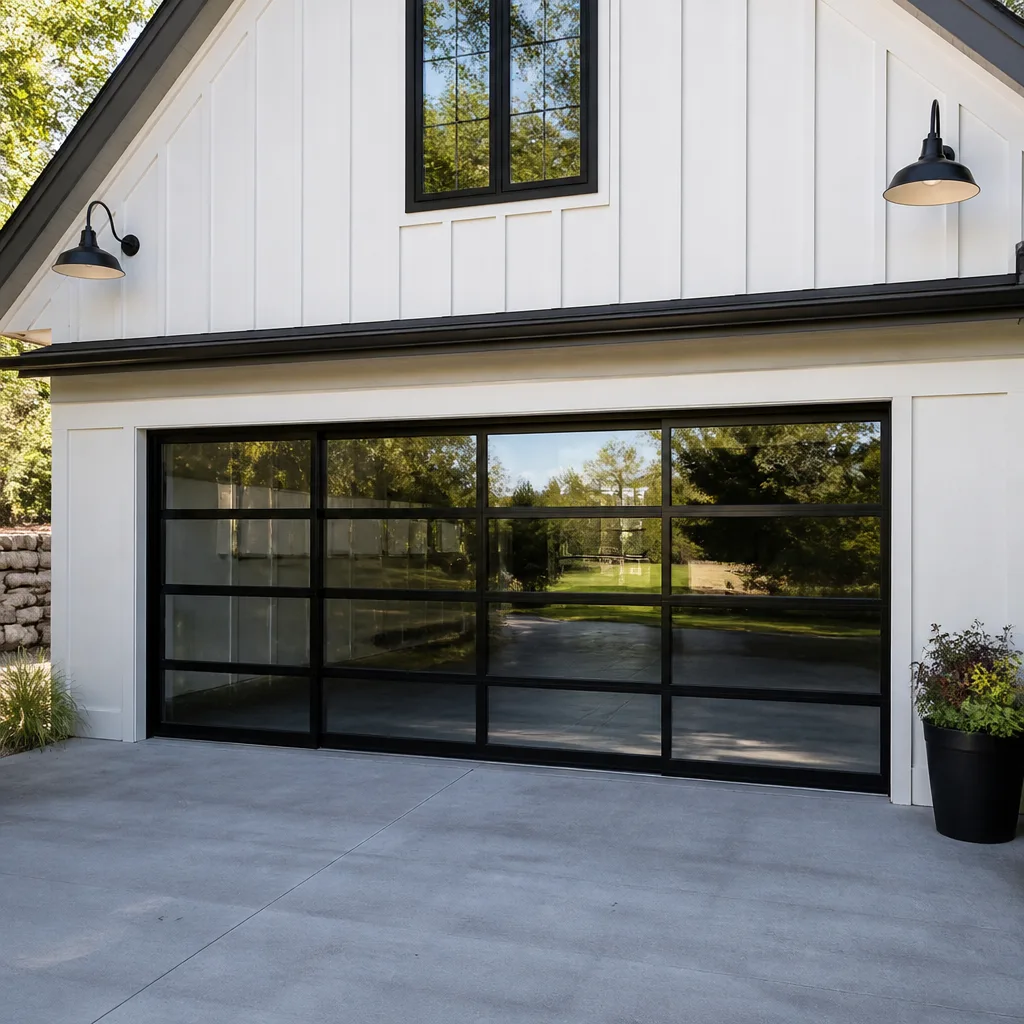 Full-view glass
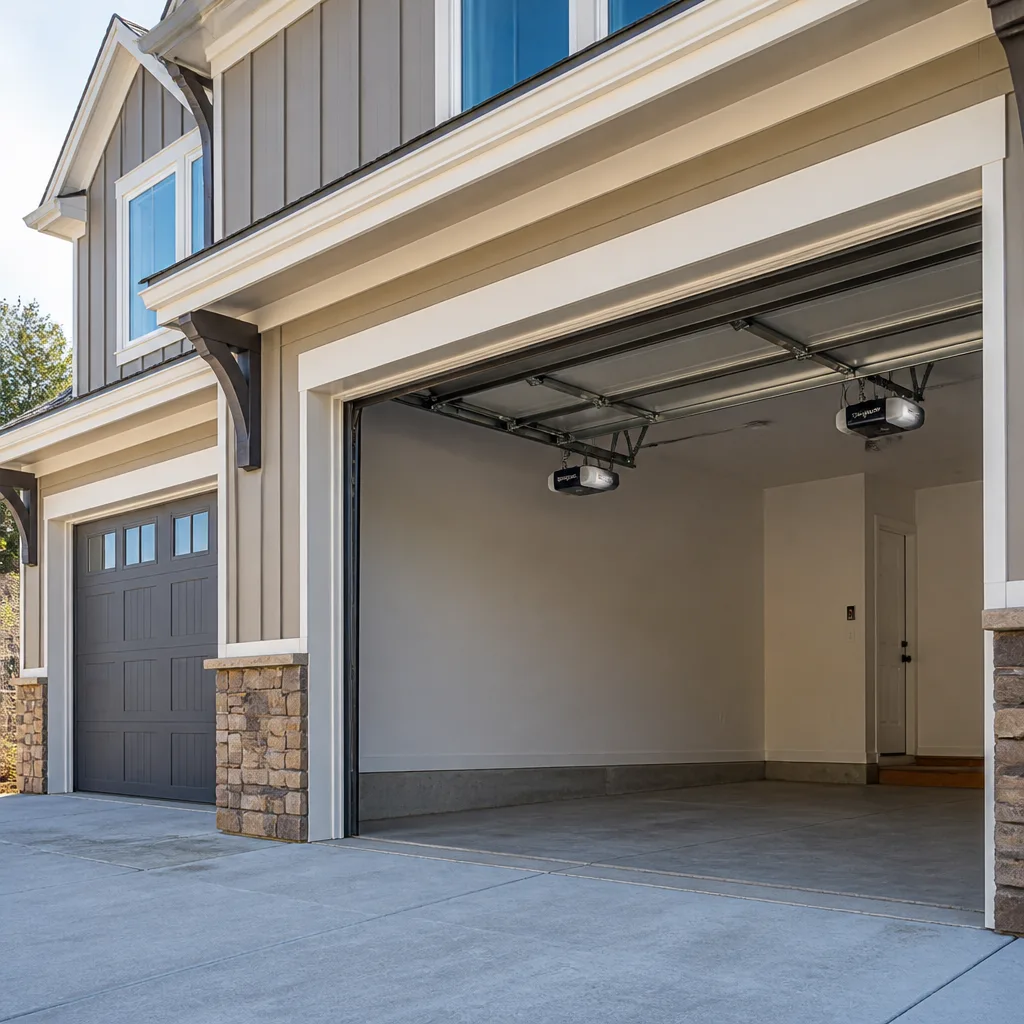 LiftMaster openers
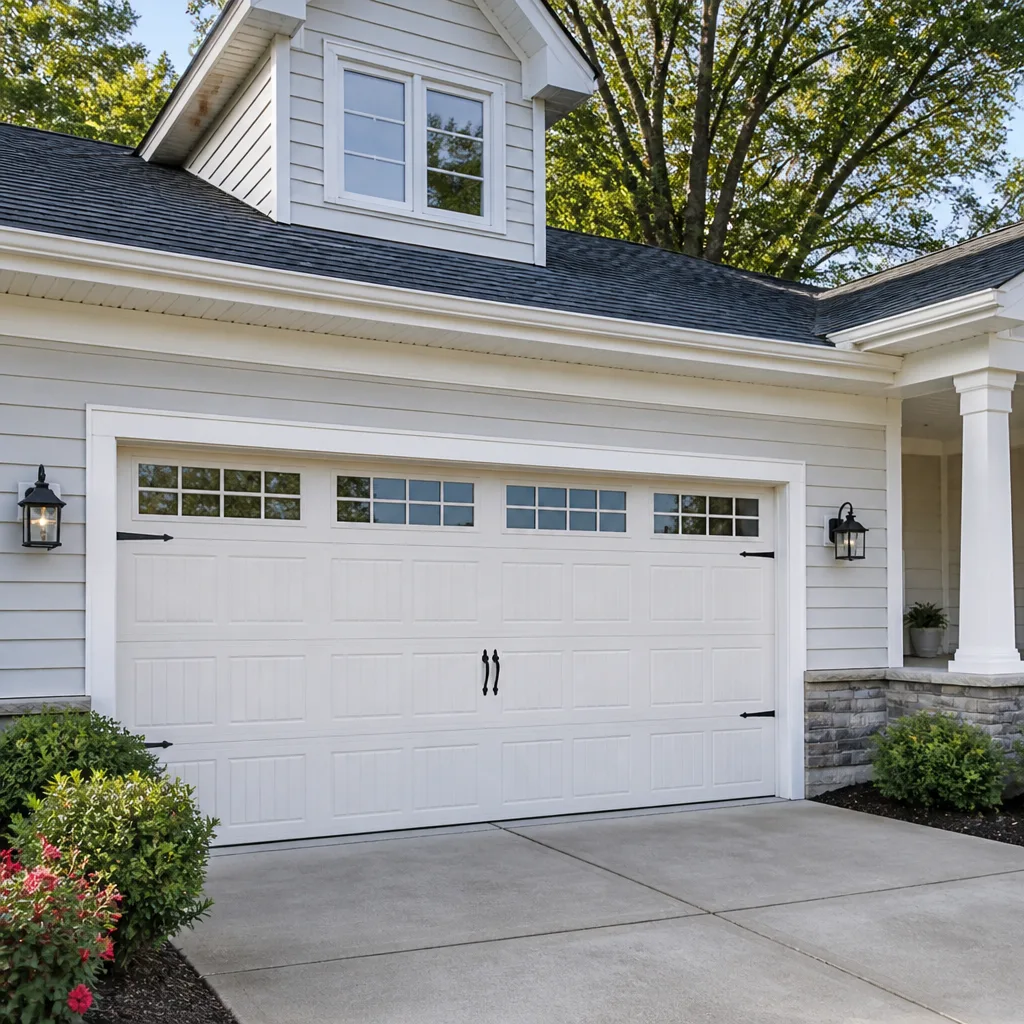 Chamberlain openers
Full 25-point door and opener safety check with every visit - springs, cables, rollers, tracks, and your LiftMaster or Chamberlain opener included
You get a price before we start. It does not change when the pro arrives.
Get your free estimateThe Complete Guide to Garage Doors in Tacoma
Tacoma gets roughly 38 inches of rain a year, more than Seattle by most counts, yet almost every garage door guide you’ll find online is written for a dry, hot climate where rust never comes up and winter never swells a wooden frame. That mismatch matters here. If you make a door decision based on advice from Phoenix or Atlanta, you’ll spend money in the wrong places and skip the parts that actually fail in the Pacific Northwest. In this guide we walk through how Tacoma’s marine climate attacks specific components, what each housing era here asks of a door, where local permits can surprise you, and how to sort it out as a simple repair-replace-upgrade decision.
Quick Answer
Most garage door problems in Tacoma come down to moisture-driven wear: rotting bottom seals, corrosion on steel sections, and swollen wood frames. If the door still moves and the sections are sound, repair is usually the answer. If the door is sagging, badly rusted, or the frame has softened, replacement is the honest call. Opener issues on their own rarely mean a new door. Permits in Tacoma can be triggered when a swap changes the opening structurally, so ask your city’s building department before you order.
Styles & brands we work with
- Raised-panel steel
- Carriage house
- Modern flush
- Full-view glass
- LiftMaster openers
- Chamberlain openers
Table of Contents
- How Tacoma’s Marine Climate Wears Out Garage Doors
- Tacoma Housing Eras and the Doors That Fit Them
- Tacoma Permits: When a Door Swap Is a Structural Alteration
- Brand and Material Matrix for Tacoma Conditions
- Repair, Replace, or Upgrade the Opener: A Decision Path
- Bottom Seals, Weatherstripping, and Water Management
- Springs, Cables, and Why You Don’t DIY Them
- What Garage Door Work Costs in Tacoma
How Tacoma’s Marine Climate Wears Out Garage Doors
Tacoma’s rainfall lands differently on a garage door than you might expect. It’s not the downpour that does the damage; it’s the persistent damp. Doors here spend months wet, dry out slowly, and face condensation on the inside of unheated garages during temperature swings. That cycle stresses materials in a way hot, dry climates simply don’t.
Here’s what tends to fail first in our experience:
- Bottom seals crack, harden, and pull away from the door. Once the seal fails, water reaches the bottom panel and starts creeping under the door.
- Steel doors corrode from the inside out where the panels meet the frame. You’ll often see rust at the very bottom and along hinges before it shows on the face.
- Wood doors and frames absorb moisture, swell, and stick. Repeated swelling weakens joints over time.
- Hardware and hinges seize more quickly when the door isn’t lubricated on a regular schedule.
Inland Pacific Northwest cities like Yakima or Spokane sit in a drier band and don’t see the same relentless damp, which is why a Tacoma-specific approach matters. If a door is going to fight moisture, the small components (seals, frames, hinges, springs) deserve attention every year. In our experience, the homeowners who check those parts each fall avoid the expensive failures that catch people off guard.
Tacoma Housing Eras and the Doors That Fit Them
The age of your Tacoma home tells you a lot about the door you’ll want. Three broad eras dominate here, and each one calls for a different approach to size, weight, and style.
Craftsman bungalows (roughly 1900s-1930s)
These homes are common across Tacoma’s older residential blocks. The garages, when they exist or have been added, are often detached and undersized by modern standards. Door openings may be narrower than today’s standard. Weigh style heavily here: a carriage-house look or a panel style that echoes the home’s lines usually fits best. Weight matters too, because older frames may not like a heavy wood door.
Mid-century ranches (roughly 1940s-1970s)
The ranch brought attached garages into mainstream use. Openings here tend to be wider and more standard. A simple raised-panel steel or aluminum door in a warm neutral tone usually fits the home’s low, horizontal profile. This era is also where you’ll often find original wood doors that have absorbed decades of our climate and may finally be ready for replacement.
Newer construction (roughly 1980s to present)
Larger footprints and double-car openings are common. These homes are good candidates for insulated doors and modern smart openers. Homeowners here often want connected controls, which makes LiftMaster and Chamberlain a natural fit.
Whatever the era, the first step is measuring the opening width and height and checking whether the frame is level. A door that fits an old, settled frame is a different order than one for a new, square opening. If you’re unsure which direction to go, our overview of garage door installation walks through the measurement and fitting process.
Tacoma Permits: When a Door Swap Is a Structural Alteration
Here’s the part most Tacoma homeowners don’t expect: not every replacement is a simple swap in the city’s eyes. If you’re replacing like-for-like with the same size opening and no structural change, you likely don’t need a permit. But the moment a job changes the opening itself, it can cross into what the city treats as a structural alteration.
The usual triggers:
- Widening or raising the opening to fit a larger door
- Changing the header or framing above the door
- Altering the wall structure to create a new garage opening
- Converting a garage space in a way that affects the door opening
We won’t hand you a code section here, because the rules vary by project and we’d be guessing. The honest move is to call Tacoma’s building department and describe exactly what you want to do. Ask whether a permit is required and what drawings or inspections apply. That call is free and takes a few minutes, and it can save you from discovering a compliance problem when you go to sell.
When you pull a permit, the work needs to meet code for safety (typically the balance and anchoring of the door and the opener’s reversing protection). A permitted install also gives you documentation, which is worth having. Repairs that don’t alter structure generally don’t need a permit, so a spring replacement or opener fix is usually a straightforward service call.
Brand and Material Matrix for Tacoma Conditions
National brand advice assumes a national climate. Tacoma homeowners need a filtered version. Here’s how the major brands and door materials tend to hold up under our particular conditions.
Door materials
- Insulated steel: the most practical choice for most Tacoma homes. The finish resists moisture, and the weight is manageable for standard hardware. The weak point is the bottom edge, so inspect it annually.
- Aluminum: lighter than steel and rust-resistant, which suits our damp climate well. It dents more easily, so it’s best where durability against impact matters less than weather resistance.
- Wood: beautiful and fitting for Craftsman homes, but wood needs annual attention here. Sealing and repainting every couple of years is non-negotiable in this rainfall.
- Fiberglass and composite: increasingly popular, resistant to moisture and rot, and lower maintenance than wood.
Brand notes
Clopay and Amarr stand out for residential door options that work well across Tacoma’s housing stock, particularly in steel and insulated lines. Wayne Dalton offers versatile panel options for mid-century ranch openings. Raynor is a solid pick where you want durable sections and straightforward mechanics. For openers, LiftMaster and Chamberlain are the workhorses in connected households, while Genie and Craftsman cover plenty of existing setups. We’re familiar with all of them, so when we walk into a Tacoma garage, we can read the equipment and get to the right part without guesswork. For a focused look at repair options, see our garage door repair page.
Repair, Replace, or Upgrade the Opener: A Decision Path
Most garage door decisions fall into three buckets: fix what’s broken, replace the door, or upgrade just the opener. Work through the questions below in order, and the answer usually sorts itself out.
- Does the door move manually? Disconnect the opener and lift it by hand. It should lift smoothly with moderate pressure. If it feels heavy or binds, the issue may be springs, rollers, or a bent track, not the door itself.
- Is the problem only the opener? If the door moves fine by hand but the motor won’t run, hesitates, or the remote is dead, you may only need garage door opener repair. Focus the work there.
- Are the door sections sound? Look for rot, deep rust, dents, or separation at the joints. One damaged bottom panel can sometimes be replaced on its own, and that can save you from a full replacement.
- Is the frame intact? If the wood frame has softened or the opening is out of level, a repair might not hold. This is where replacement often becomes the smarter choice.
- Are you just tired of the look? If everything functions but you want a modern face, a new door may be worth it even when nothing is failing.
In our experience, Tacoma homeowners lean toward repair when the door still moves and the sections are solid, and toward replacement when moisture damage has spread. The opener-only upgrade is common in connected homes where the door itself is fine but the motor is outdated. If you want a straight answer on which path fits your door, that’s exactly what a free estimate gives you.
Bottom Seals, Weatherstripping, and Water Management
If there’s one small thing we wish more Tacoma homeowners took seriously, it’s the bottom seal. This strip of rubber or vinyl at the base of the door keeps rain, wind, and pests out. In our climate, it takes a beating from the wet-concrete contact and the freeze-thaw cycle, and it fails gradually enough that many people don’t notice until water is pooling inside the garage.
What to check each fall:
- The seal should press flat against the floor along the whole width of the door with no gaps at either end.
- Any cracks, hardening, or crumbling mean it’s time to replace the seal.
- Weatherstripping along the sides and top should be intact and pliable.
- The garage floor should be sloped so water drains toward the door, not into the space.
Replacing a bottom seal is one of the simpler jobs and it pays for itself by keeping moisture off the door bottom and away from anything stored inside. If water sits inside your garage through the winter, that moisture reaches the tracks and hinges too.
Springs, Cables, and Why You Don’t DIY Them
A torsion spring holds enough stored energy to seriously hurt someone who doesn’t know exactly what they’re doing. The two most dangerous parts of any garage door are the springs and the cables under tension. Both can cause serious injury if released the wrong way, and both are behind the most common repair we run in Tacoma: spring replacement.
Here’s what we do and don’t recommend:
- If the spring is broken (you’ll hear a loud snap, and the door suddenly opens with a push of a finger), leave the door closed until a technician arrives.
- Never try to adjust, unwind, or replace springs or cables yourself. The tools and knowledge matter far more than they appear to.
- If the door won’t open manually after a spring break, don’t force it. Cables can snap.
- For a mechanical check, look and listen: a creak, a wobble, or a door that closes unevenly are reasons to call a professional.
Our technicians are trained on the spring systems used by every major door brand and can often identify the right replacement part before they arrive. If you’re worried your springs are worn, read more about our spring replacement service and call for an estimate. This is one job where “spring repair done right the first time” genuinely affects your safety.
What Garage Door Work Costs in Tacoma
Prices vary, and no honest quote can be given without seeing the job. The best we can do here is set expectations with typical ranges so you know what’s involved. Every price we give is a written estimate you review before any work starts, and that estimate, not a number on a page, sets the final price.
Typical estimated ranges in Tacoma:
- Spring replacement (single spring): the cost depends on whether it’s a single or a matched pair; a pair usually costs about twice a single.
- Opener repair: varies by part and whether the motor or just the control needs work.
- Bottom seal replacement: a lower-cost item that helps protect the door long term.
- New door installation: range depends on material, size, and whether the opening needs work.
We quote every job in person or over the phone after a measurement, and the price is agreed before we start. For a full breakdown by service, see our Tacoma Garage Door Repair Co and call for a free estimate. Call (833) 482-6153.
Common Mistakes to Avoid
- Waiting for a bottom seal to fail completely. Small cracks turn into puddles fast in this rain. Replace the seal when you first notice it, not after the first flooding.
- Assuming a permit is never needed. A simple like-for-like swap usually doesn’t need one, but changing an opening size can. Call the building department before you order.
- Ignoring annual hardware lubrication. Seized hinges and rollers are one of the fastest routes to a stuck door. A simple lubrication routine each fall keeps the mechanism moving.
- Choosing a door size based on the photo rather than the frame. Tacoma’s older homes often have openings that don’t match standard dimensions. Measure the opening, not the old door.
- Treating a spring break as a door replacement. A snapped spring is usually a repair, not a new door. Don’t let one emergency push you into a full replacement.
- Letting the opener do the work. If the door feels heavy by hand, the opener is straining. Address the door, not just the motor.
- Skipping the written estimate. Any reputable job should start with a clear, written price you agree to before the technician begins. Ask for it.
See the difference
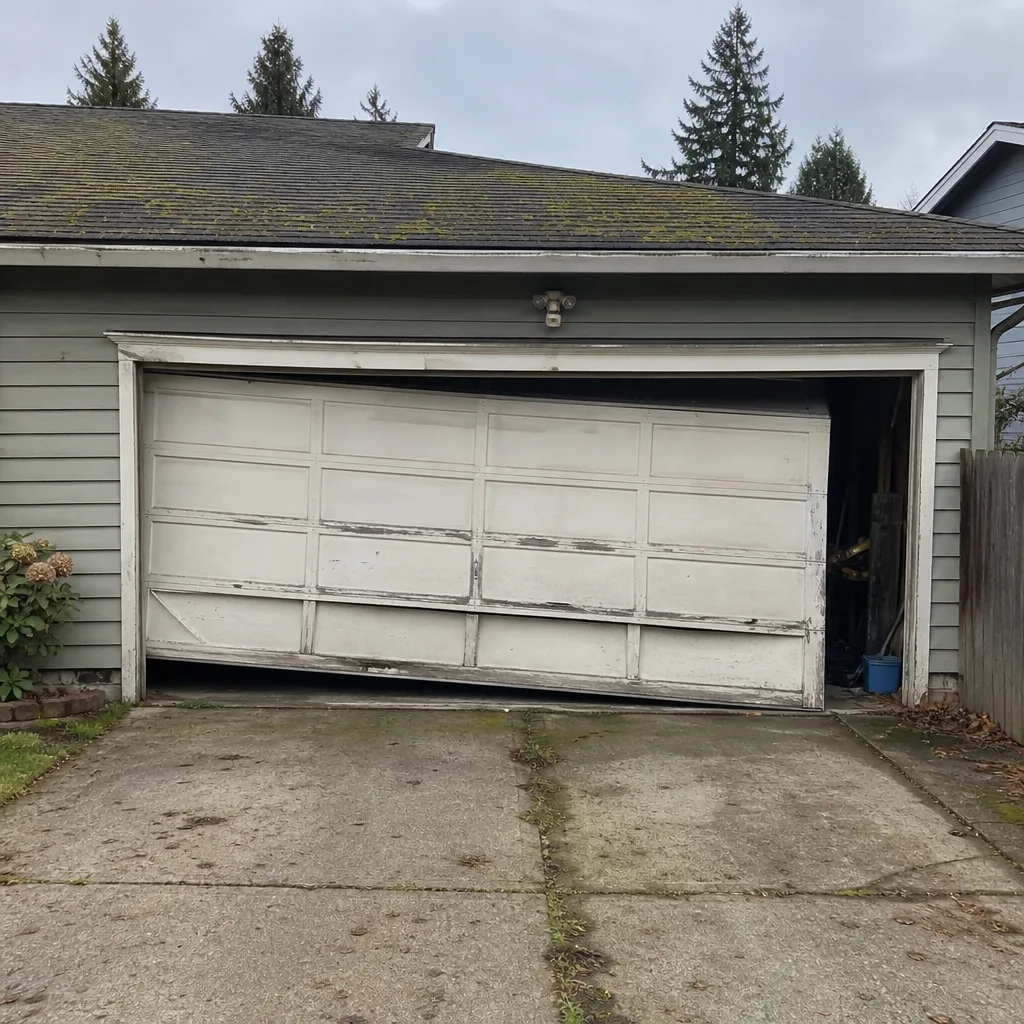 Before
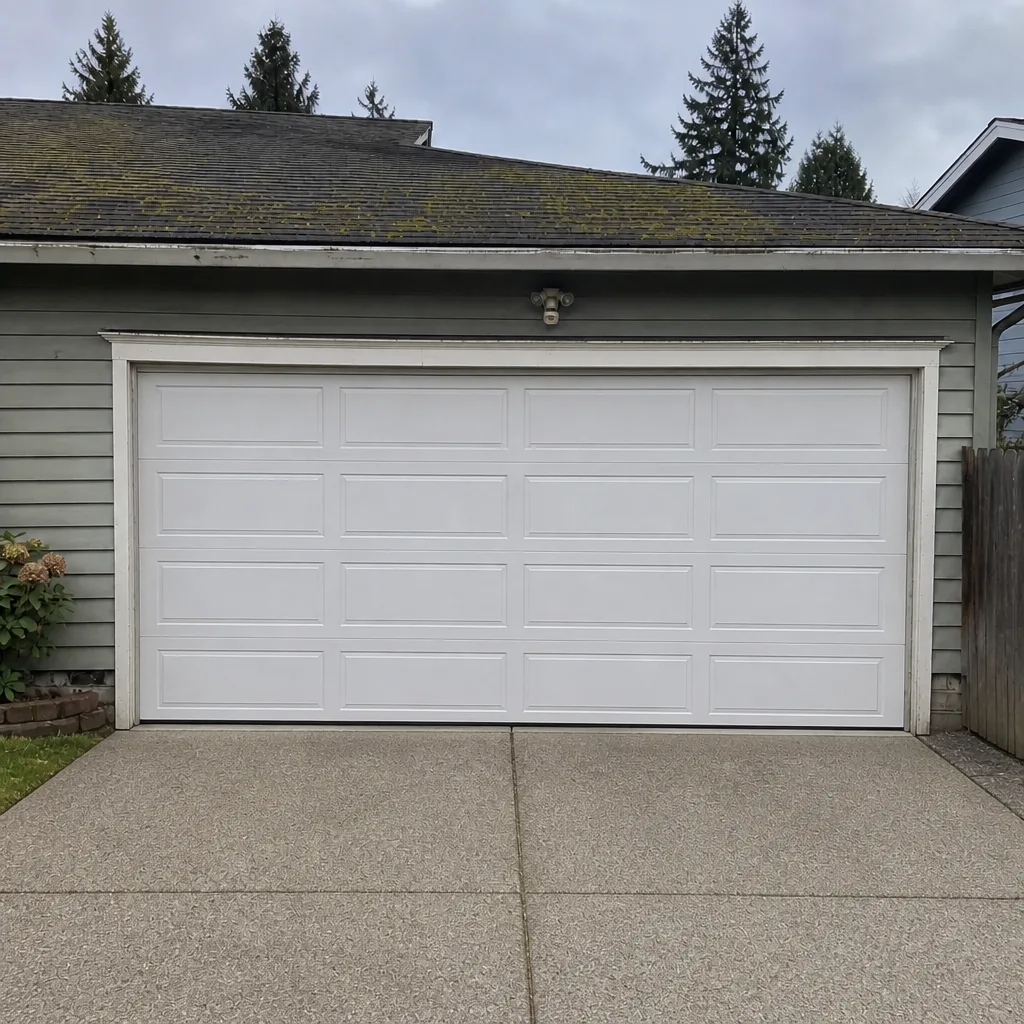 After
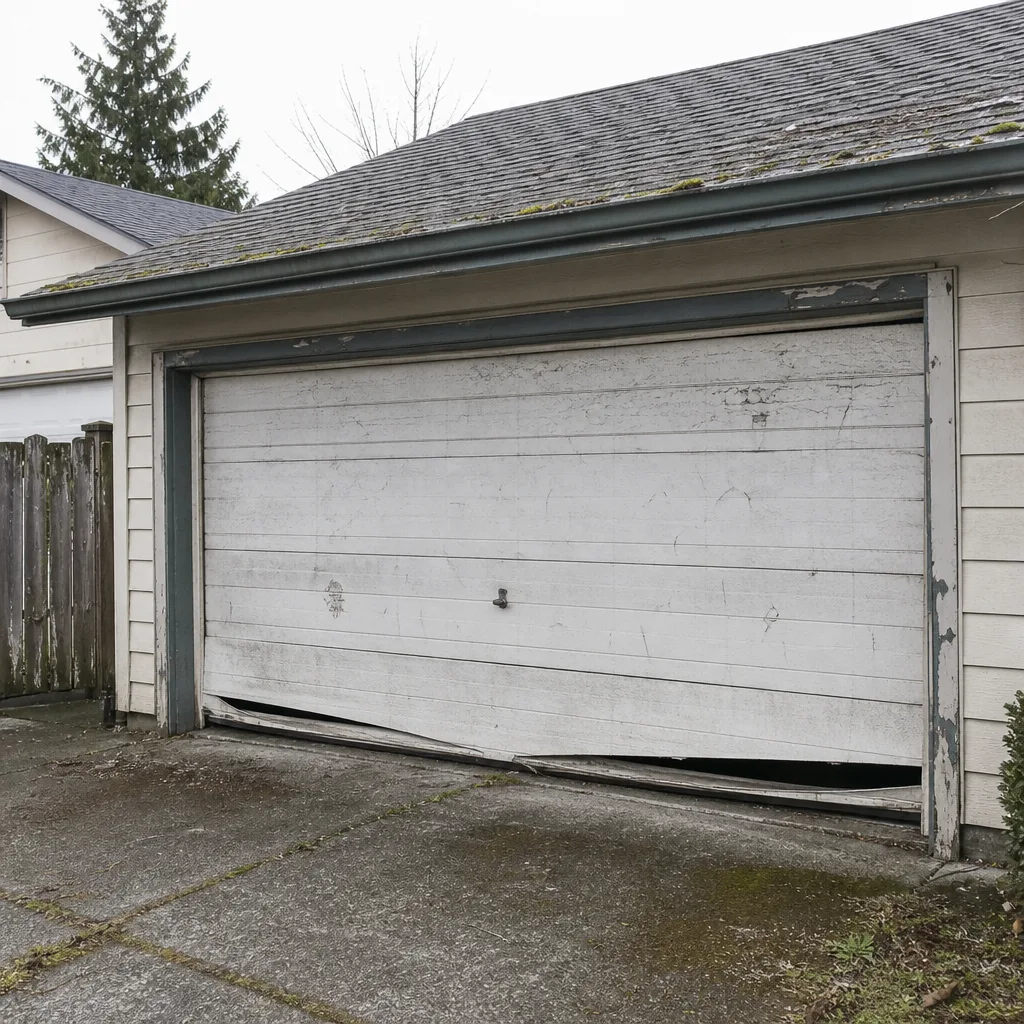 Before
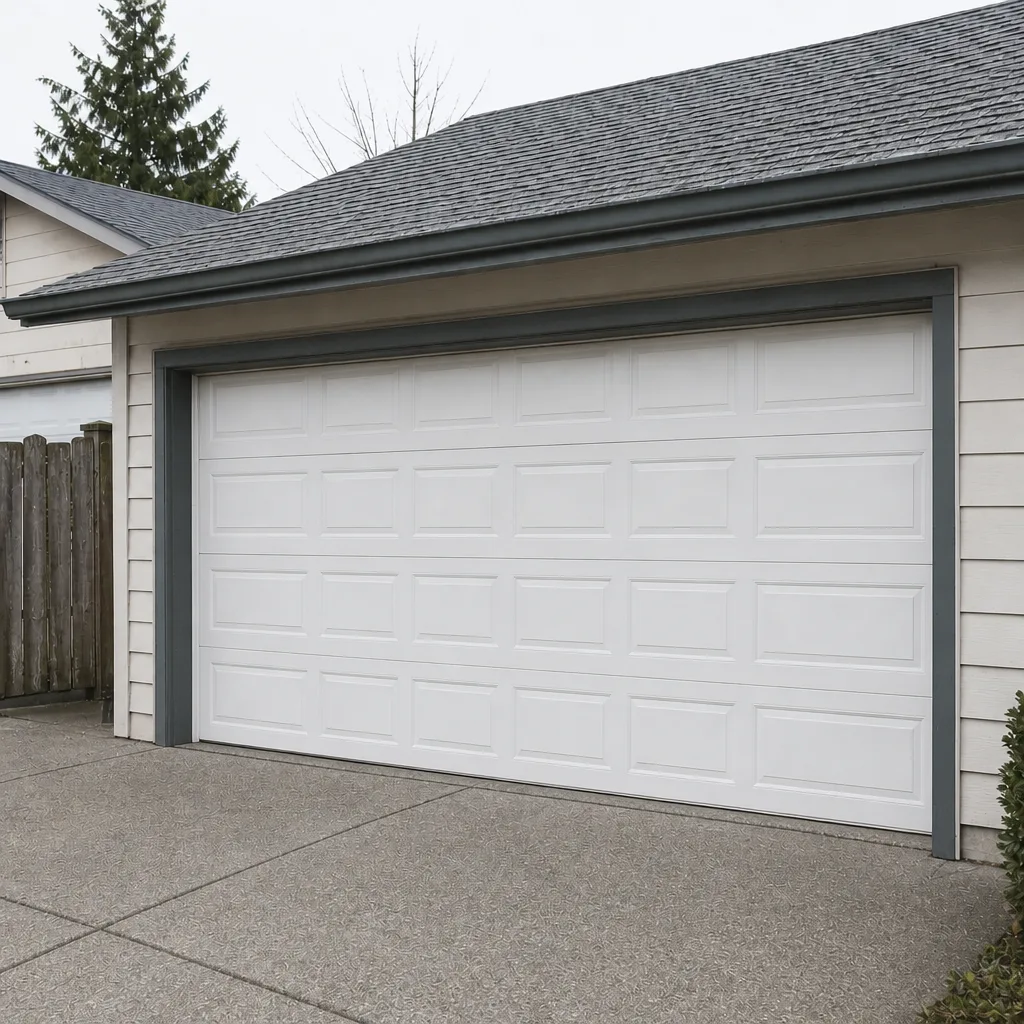 After
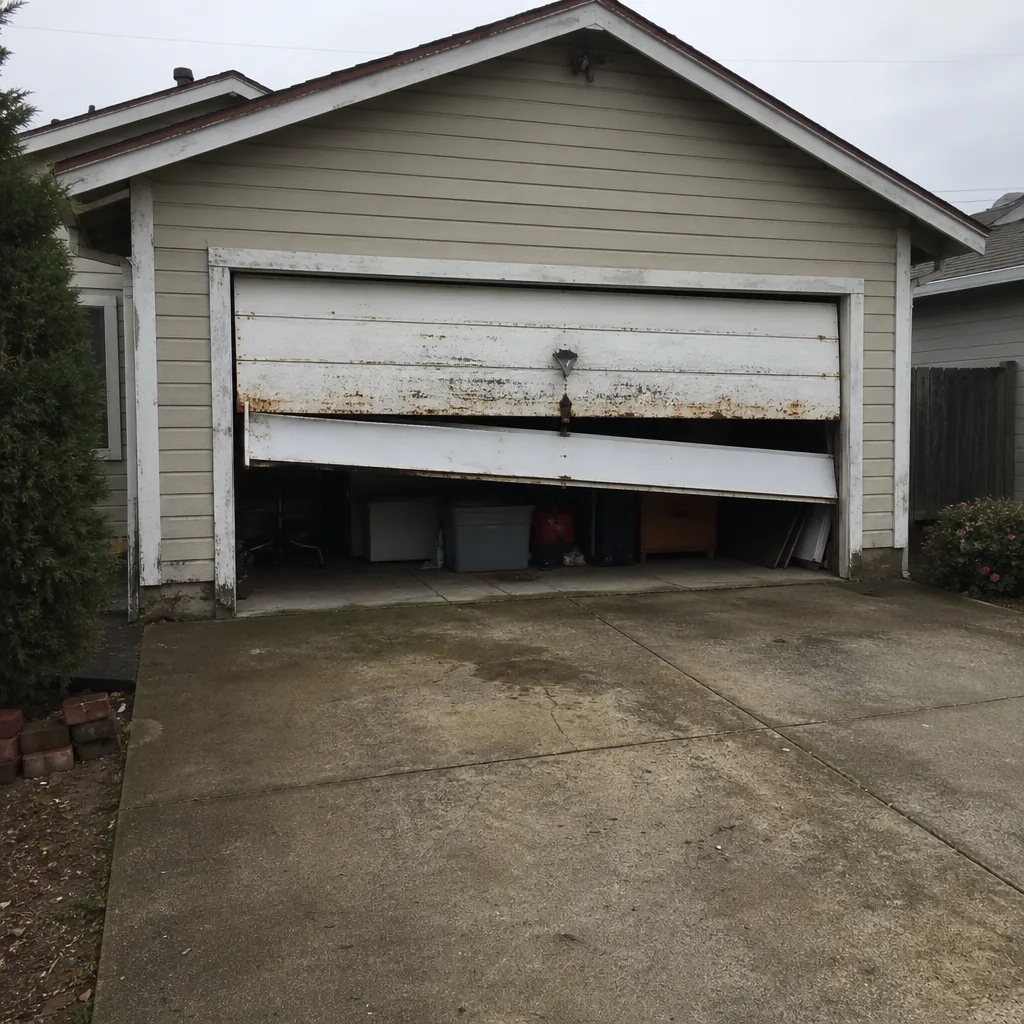 Before
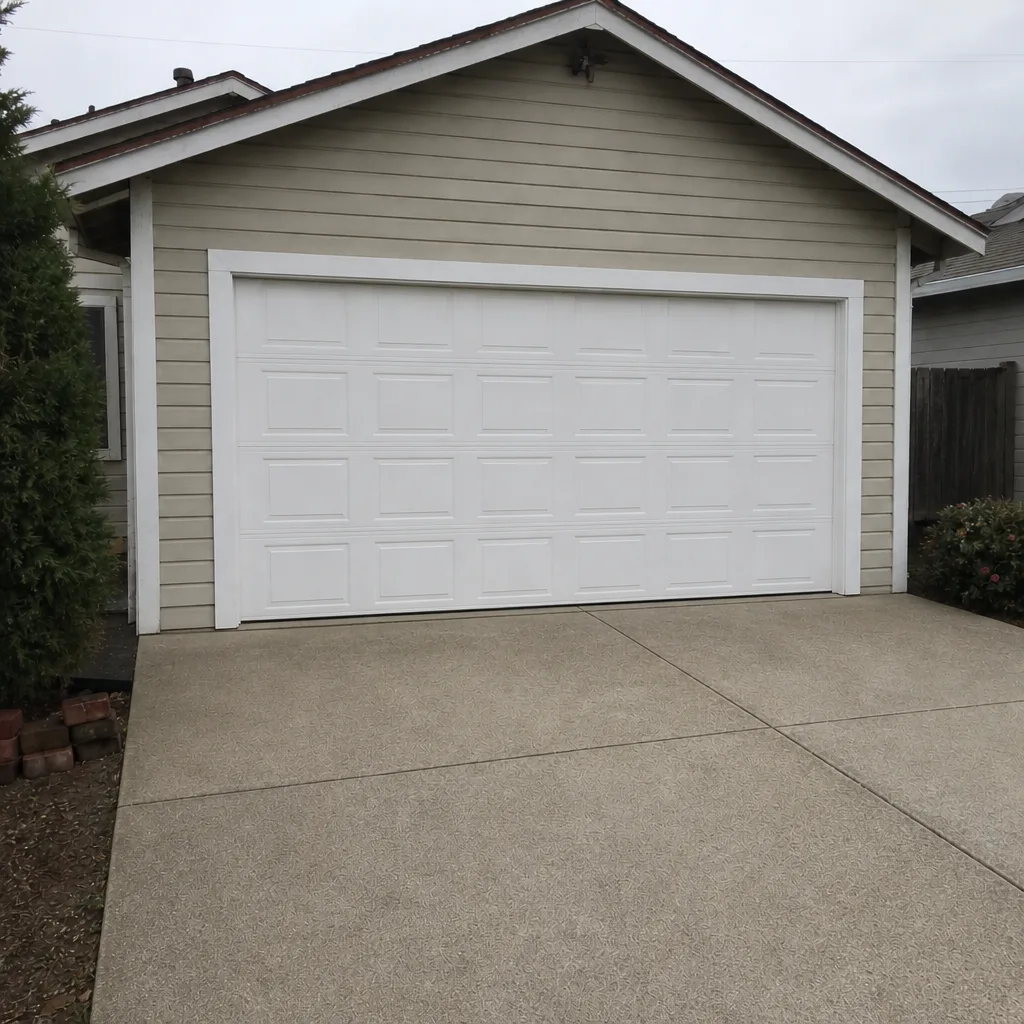 After
When to Call a Professional
Some things are worth calling a professional for. If a spring has snapped, if the door is stuck open or won’t close, or if you notice bent tracks, frayed cables, or a door that slams shut, that’s not a job to handle yourself. The same goes for any door that has become a security risk because it won’t lock. If you’re in an emergency, call and we’ll get a technician booked in. Our technicians have up to 11 years of experience working across every major door and opener brand, so we know what we’re looking at from the moment we arrive. Tacoma Garage Door Repair Co offers free estimates. Call (833) 482-6153. We answer 24/7. Fast dispatch from 7am to 7pm, Sunday through Friday.
Frequently Asked Questions
Often no, but it depends on the scope. A like-for-like replacement with no structural change usually doesn’t need one, while widening the opening or altering the header can. Call Tacoma’s building department with your project details to confirm. If you want help interpreting the answer, call (833) 482-6153.
In many cases, yes. Spring replacement is our most common repair, and a technician can usually diagnose and replace a broken spring during a single visit. With fast dispatch from 7am to 7pm, call (833) 482-6153 for the soonest available window.
Cost depends on the part, the brand, and whether one or both springs are involved. Every job gets a written estimate you agree to before work starts. Call (833) 482-6153 for an exact quote; estimates are free.
Moisture is the usual culprit. Wood frames swell, seals stiffen, and hinges seize in damp weather. Lubricating hinges and rollers and checking the bottom seal each fall solves most of it. If the door still sticks, it’s worth having a technician look at the tracks and springs.
If the door works well but the opener is old or lacks smart features, an opener upgrade is often enough. LiftMaster and Chamberlain are the main connected lines, and both integrate with common smart-home setups. Call us to talk through your current equipment.
The written estimate is the price, and it’s agreed before any work begins. If we find something extra needed during the job, we tell you before we do it, not after. Call (833) 482-6153 for a free estimate.
The Bottom Line
Garage doors in Tacoma face a specific set of conditions that generic national guides miss: heavy rainfall, damp garages, and a housing stock that ranges from old bungalows to new builds. Pay attention to the bottom seal every fall, know whether a permit is needed before you order, and match the door to your home’s era and opening. When something breaks, especially a spring or cable, call a professional rather than risking injury. Whether you need repair, a new door, or an opener upgrade, the right call is the one that fits the door and the climate. For a free estimate, call (833) 482-6153.
Written by the team at Tacoma Garage Door Repair Co.