
Last updated November 23, 2026
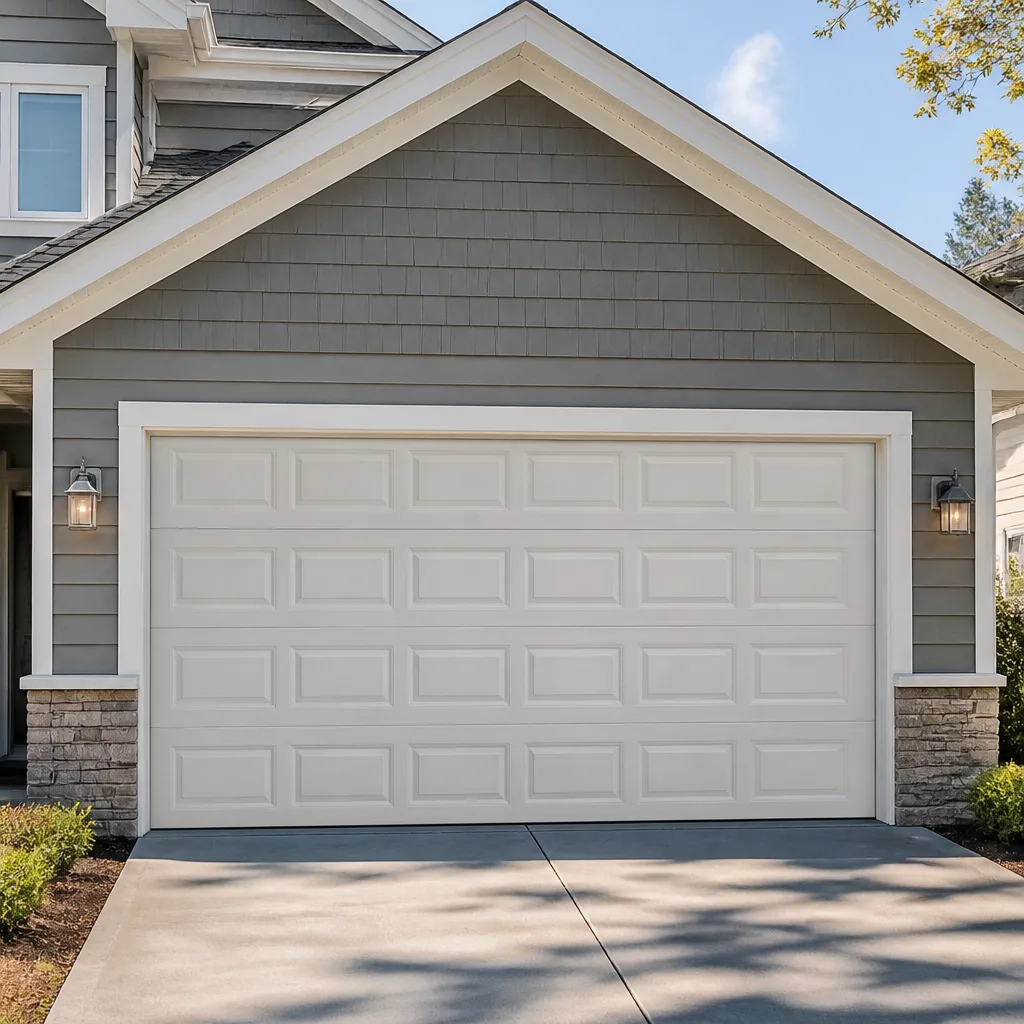 Raised-panel steel
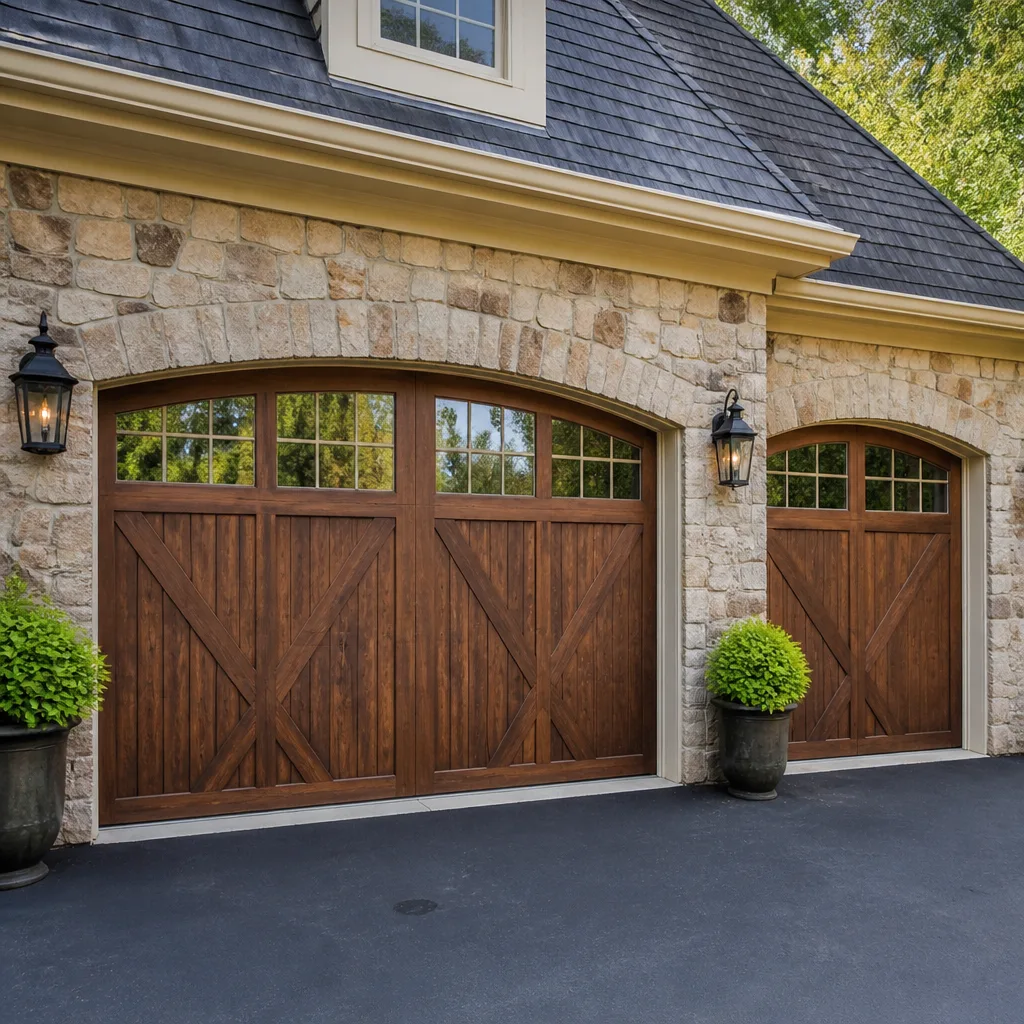 Carriage house
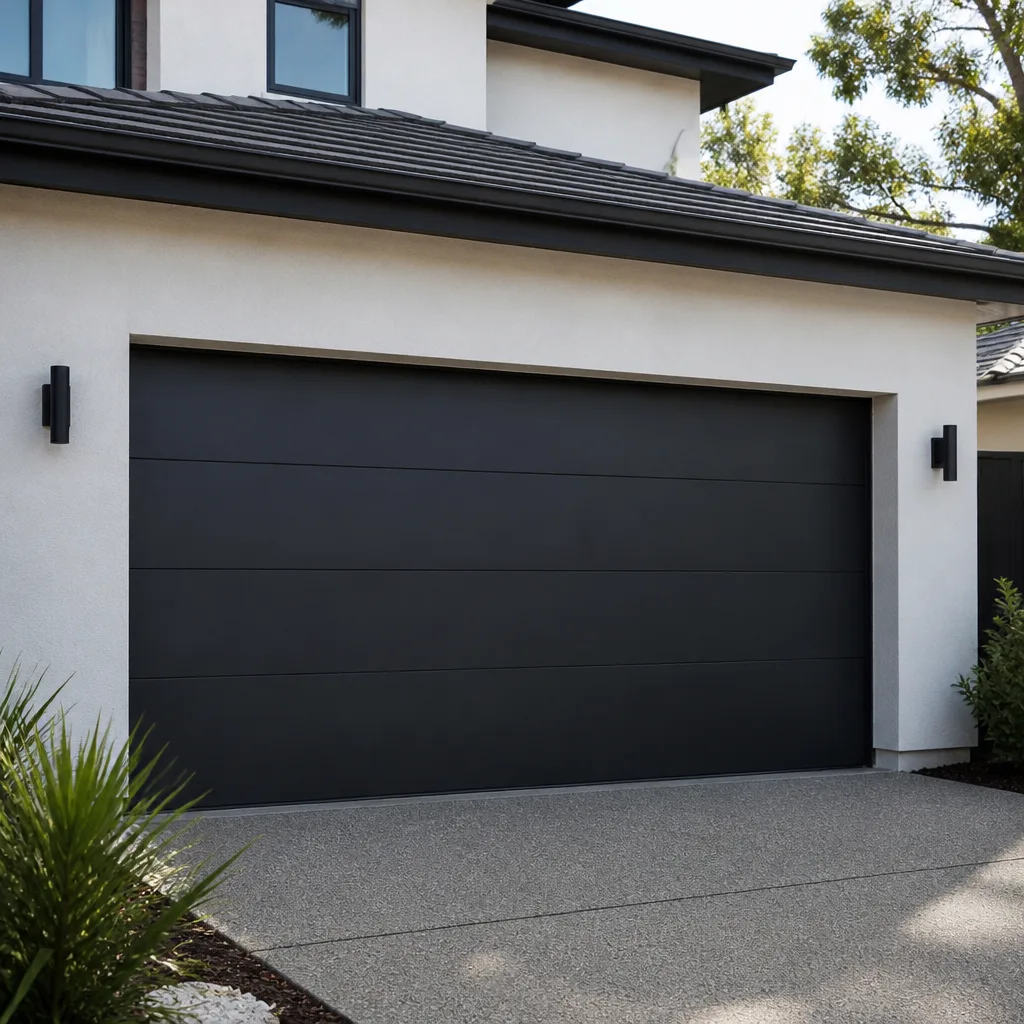 Modern flush
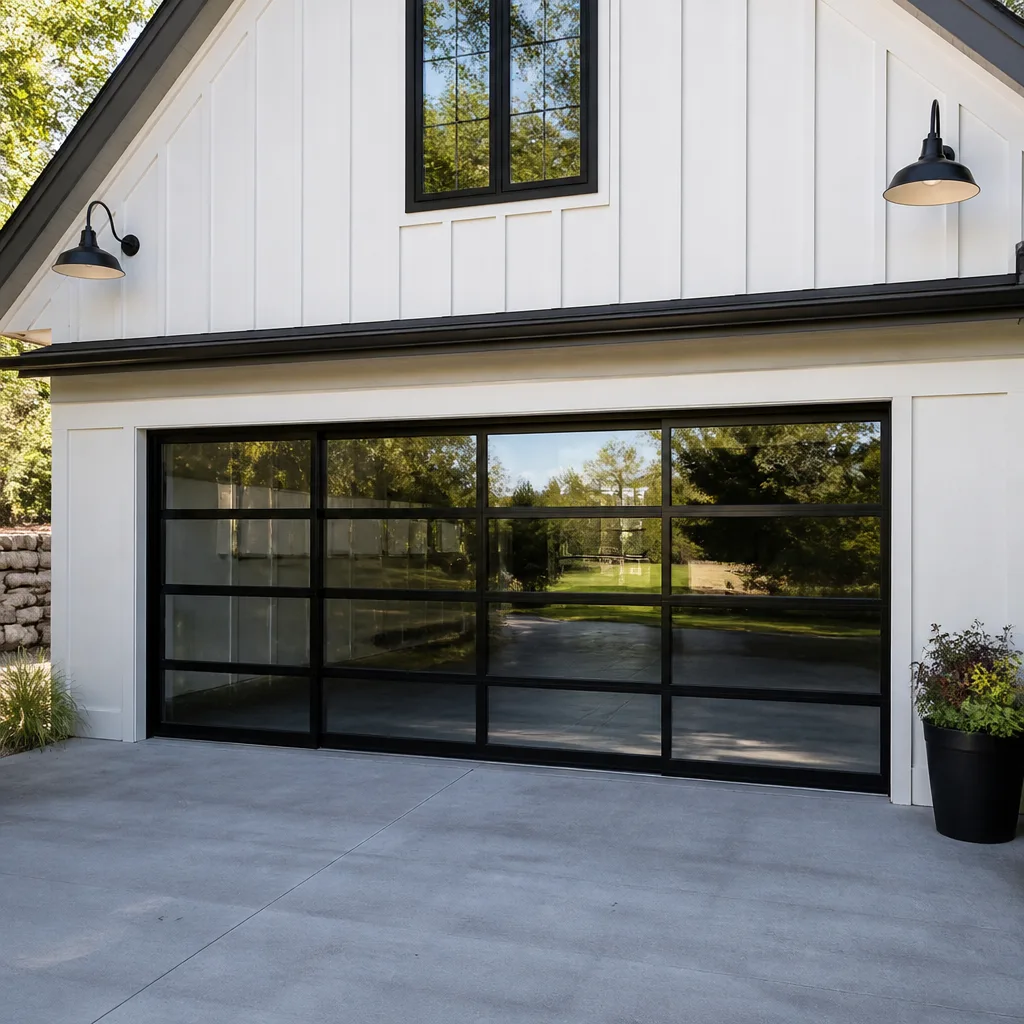 Full-view glass
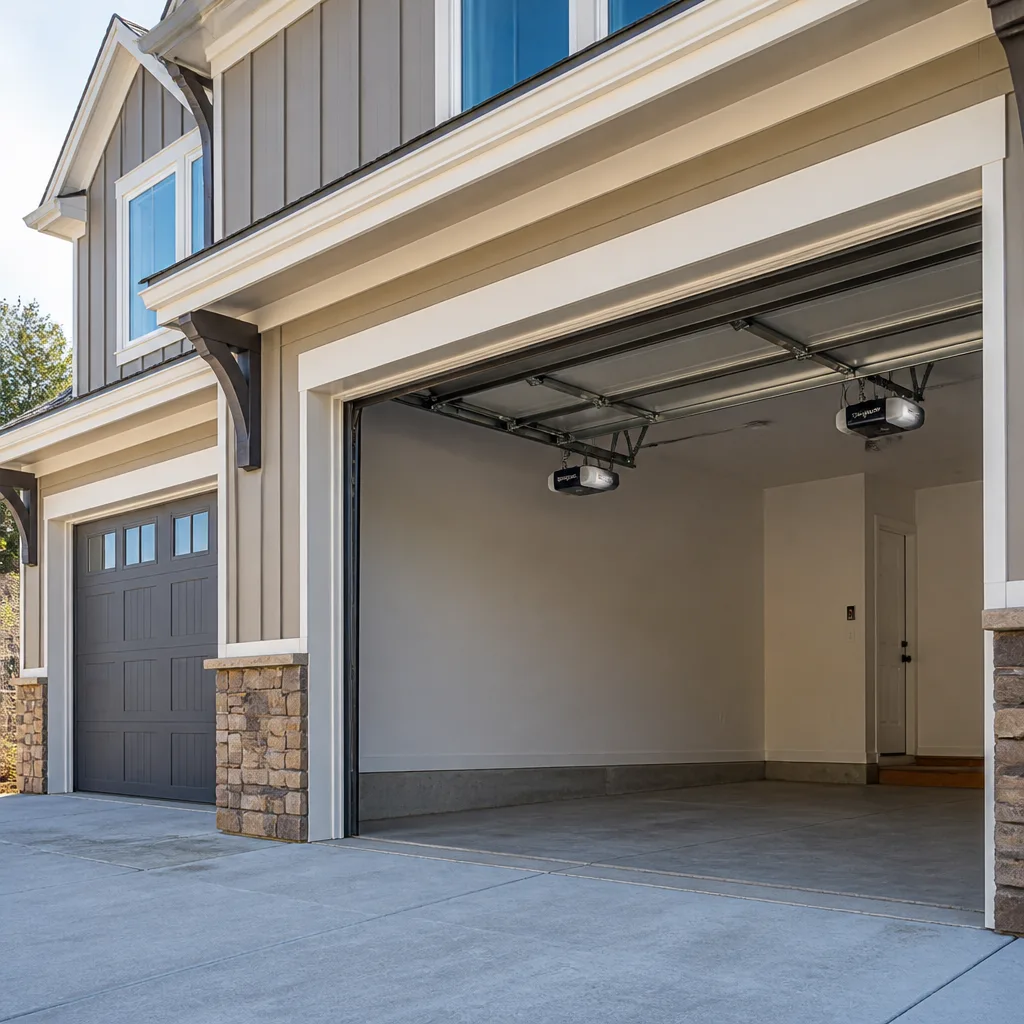 LiftMaster openers
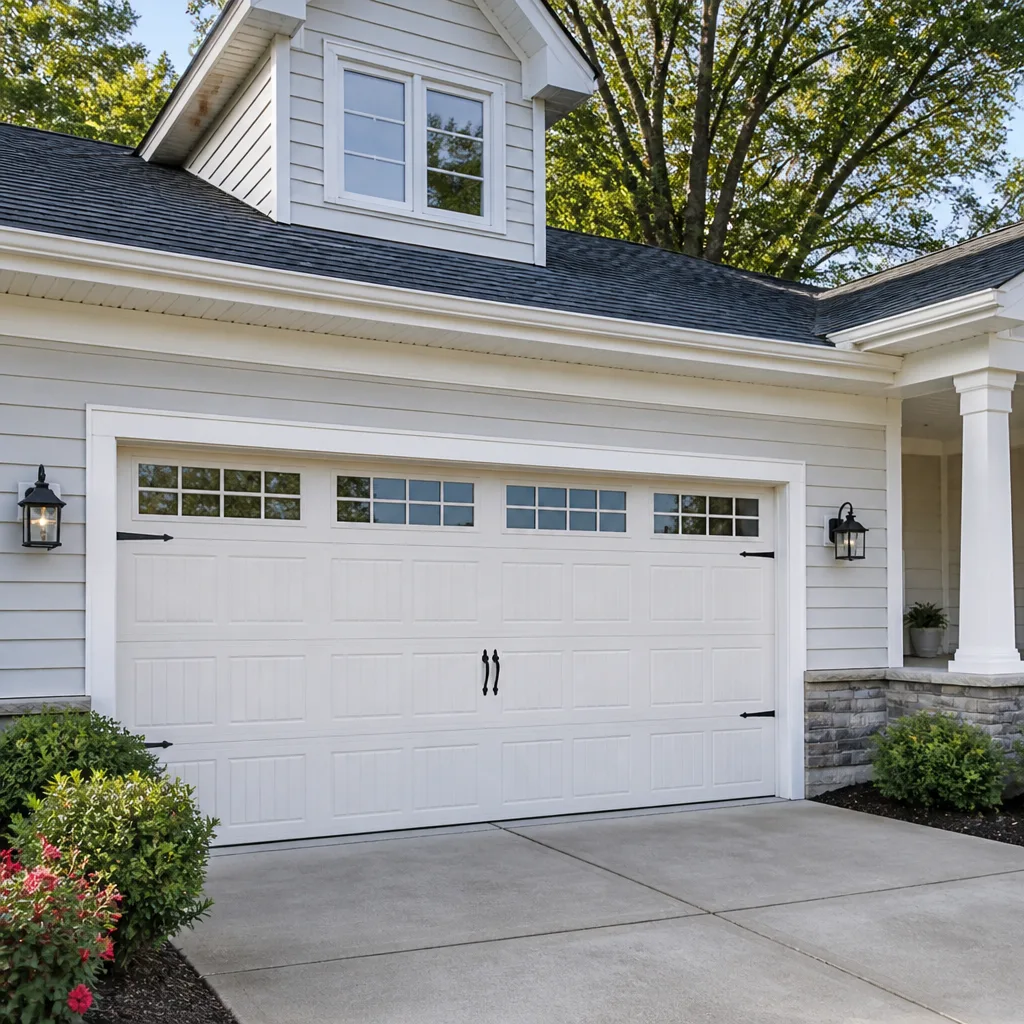 Chamberlain openers
Full 25-point door and opener safety check with every visit - springs, cables, rollers, tracks, and your LiftMaster or Chamberlain opener included
You get a price before we start. It does not change when the pro arrives.
Get your free estimateSeasonal Garage Door Care for Tacoma: Year-Round Homeowner’s Guide
If you winterize your garage door in November, you’re already two months behind. In Tacoma, the hardware on your door starts taking hits in late September, when the air gets heavy and the temperature slides but the rain hasn’t fully arrived. That stretch is when lubricant thins, seals stiffen, and small alignment issues begin to set. By the time most homeowners think about “winter prep,” their door has already been through the toughest transition of the year. This guide resets the calendar around Tacoma’s actual weather: a wet season that starts early and lingers, a short dry summer that brings its own problems, and the occasional hard freeze this region is genuinely unprepared for. You’ll get a month-by-month checklist, a 15-minute walk-around, and clear signals for when to stop tinkering and call someone.
Quick Answer
In Tacoma, the most important garage door maintenance month is September, followed by a light spring check in April and a summer dry-season inspection in July. The wet season stresses hinges, rollers, and weatherstripping from October through March, so getting ahead of it in late September prevents most emergency calls. A 15-minute seasonal walk-around four times a year catches the large majority of developing problems before they become failures.
Styles & brands we work with
- Raised-panel steel
- Carriage house
- Modern flush
- Full-view glass
- LiftMaster openers
- Chamberlain openers
Table of Contents
- Why Tacoma’s Climate Rewrites the Maintenance Calendar
- The September Prep Window: The Most Valuable Month
- The Tacoma Month-by-Month Task Calendar
- Hard-Freeze Protocol for the Occasional Tacoma Cold Snap
- Summer Dry-Season Checks: Shrinkage, UV, and Heat
- Your 15-Minute Seasonal Walk-Around
- Opener Care Through the Seasons
- Common Mistakes to Avoid
- When to Call a Professional
- Frequently Asked Questions
- The Bottom Line
Why Tacoma’s Climate Rewrites the Maintenance Calendar
National garage door advice is built around places with four clean seasons. Tacoma doesn’t work that way. Temperatures hover in a mild band for most of the year, but moisture swings hard. The wet season arrives in October and often doesn’t let up until March or April, which means your door spends roughly half the year working in damp air. That changes which parts wear first and which problems you’ll actually see.
Here’s how Tacoma’s conditions hit different components:
- Hinges and rollers lose lubrication faster in steady moisture. A hinge that would stay smooth for a year in a dry climate can start squealing in Tacoma within a few months of the wet season.
- Weatherstripping absorbs and releases moisture repeatedly, which stiffens it and eventually causes it to crack or pull away from the door edge.
- Steel panels are vulnerable at seams, fastener points, and the bottom edge where water pools. Galvanized finishes help, but chips and scratches expose raw steel to months of wet air.
- Wood doors swell in the wet months and shrink in the dry ones. That constant movement stresses joints and paint.
- Track alignment can shift when the ground around the foundation settles after heavy rain, which pulls the door out of square.
The mistake we see most often is homeowners following a national template: a big winterize push in November and then nothing until spring. In Tacoma, by November the wet season is already in full swing and the door has been dealing with moisture for six weeks. The calendar needs to start earlier, hit a different set of tasks, and account for the dry summer window that national guides barely mention.
If you’re already noticing a door that’s stiff, loud, or off its track, that’s a sign the maintenance window was missed and repair work is now on the table. Our garage door repair team can look at it before the wet season makes it worse. But most of this guide is about prevention, because a door that gets the right seasonal care rarely turns into an emergency.
The September Prep Window: The Most Valuable Month
September is the highest-value maintenance month in Tacoma, and it’s not close. Temperatures start to drop, moisture in the air climbs, and the wet season is still a few weeks away. That gap gives you a clean window to get ahead of everything the rain will stress.
Why September beats November:
- You’re working in dry, comfortable conditions. Lubricant stays put instead of running off in damp air, and seals are pliable enough to inspect and adjust.
- You catch wear before it becomes failure. A roller that’s showing early flat spots in September is a $12 part. The same roller failing in December is a door off its track and a call for emergency help.
- You can address exterior issues before rain locks them in. Touch-up paint on a chipped steel panel needs dry weather to cure. Do it in September and the panel is protected through the wet months.
- You get ahead of the demand spike. Once the rains come and doors start failing, repair schedules fill up. September work means you’re not competing for a slot in the middle of the wet season.
The September checklist is short but specific:
- Lubricate hinges, rollers, and springs with a garage-door-specific lubricant (not WD-40, which attracts dust and evaporates fast).
- Inspect weatherstripping along the bottom and sides. Look for stiffening, cracks, or gaps.
- Test the door’s balance by disconnecting the opener and lifting it halfway. It should stay put.
- Check the bottom seal’s contact with the floor. A gap lets in water, leaves, and pests all wet season.
- Look at steel panels for chips or scratches and touch them up before the rain.
- Run the opener through a full cycle and listen for new sounds.
If you use a LiftMaster or Chamberlain opener, September is also a good moment to test the safety reversal and check that the Wi-Fi connection is working, since power fluctuations in storm season can knock a smart opener offline. More on that in the opener section below.
The Tacoma Month-by-Month Task Calendar
This calendar is built around Tacoma’s real conditions, not a generic four-season template. Here’s how the year breaks down and what matters in each stretch.
January and February: Deep Wet Season
This is the heart of the wet season. You’re not doing heavy maintenance now; you’re monitoring. Check the bottom seal for standing water contact after storms. Listen for new squeaks or grinding sounds. If the door starts struggling to close fully, it may be a sign of track swelling or a seal that’s dragging. Don’t ignore it, because a door that runs rough in January is a door that fails in March.
March and April: The Transition Check
By April the rain is easing and temperatures are mild. This is your second most important inspection window. Look for damage the wet season caused: rust starting at seams, cracked weatherstripping, loose hardware. This is also when track alignment issues show up, since saturated ground around the foundation can settle and pull a track slightly out of plumb. Tighten hardware, replace any seal that’s gone stiff, and re-lubricate.
May and June: Pre-Summer Prep
Tacoma’s dry season is coming. This is the window to check wood components before the air dries them out, verify paint and finish on steel panels, and clean the track of any debris that accumulated over the wet months. If your door has windows, check the glazing and frame for moisture intrusion now.
July and August: Dry-Season Inspection
Tacoma’s summer is short but dry, and that dryness creates its own problems (more on this below). Check for shrinkage gaps, UV damage on painted steel, and opener heat issues if your garage runs hot. This is also a good time for any installation or replacement projects, since dry weather makes scheduling easier. If you’re replacing a door, our garage door installation team schedules measurements and orders in this window.
September: The Prep Window
Detailed above. The single most valuable month of the year.
October: Wet Season Onset
The rain returns. If you did your September work, this month is mostly monitoring. If you didn’t, this is when the problems start showing. Check the bottom seal after the first big rain. Make sure the door closes fully and seals against the floor.
November and December: Maintenance Mode
The wet season is in full swing. Keep the door clean and lubricated, watch for rust spots, and listen for changes. If you’re on a September schedule, you’re coasting through these months. If you’re doing your “winterizing” in November, you’re starting from behind and the wet season is already working on your hardware.
For a deeper look at repair options if your door has already missed a window, the team at Tacoma Garage Door Repair Co can assess what’s salvageable and what needs replacing.
Hard-Freeze Protocol for the Occasional Tacoma Cold Snap
Tacoma doesn’t get long, deep winters, but it does get occasional hard freezes, and this region is genuinely unprepared for them. That combination is what makes the freeze protocol important. When a hard freeze hits, homeowners are usually dealing with the problem for the first time.
The most common freeze problem is weatherstripping sticking to the floor. Standard vinyl or rubber bottom seals become stiff at low temperatures, and if there’s any moisture between the seal and the concrete, the seal can freeze to the floor overnight. When the opener lifts the door the next morning, it either tears the seal or, worse, pulls the door out of alignment.
Here’s how to handle a forecast hard freeze:
- Clear and dry the floor at the door line before the freeze. A dry seal is far less likely to stick.
- Wipe the bottom seal dry if it’s wet from recent rain. A quick towel pass takes a minute and prevents the freeze bond.
- Lubricate the seal lightly with a silicone-based product designed for weatherstripping. This reduces friction and sticking at low temperatures.
- Don’t force the door if it doesn’t lift smoothly. If the seal has frozen, forcing it with the opener damages the seal, the panel, and potentially the opener’s drive gear. Free it gently from the outside if you can, or wait for a thaw.
- Test the auto-reverse and force settings so the opener isn’t straining against a stuck door.
If your door froze and tore the seal or pulled out of alignment, that’s a repair job, not a maintenance one. We’ve seen enough freeze damage in Tacoma to know it usually involves the bottom panel, the seal, and often the track. Replacing a thawed and torn seal yourself is straightforward, but realigning a pulled track is a spring and cable territory job and should go to a professional.
Summer Dry-Season Checks: Shrinkage, UV, and Heat
Tacoma’s dry summer is short, but it does real work on your door. Dry air pulls moisture out of materials that spent the wet season holding it. That reverse movement creates problems most national guides skip because they’re written for places where summer is the wet season or where the swing isn’t as sharp.
Wood door shrinkage gaps
If you have a wood or wood-composite door, the dry months cause the wood to shrink. Look for gaps at joints, panels pulling slightly away from stiles, and paint cracking along seams. A door that swells tight in wet months and shrinks apart in dry ones is a door under constant stress. The fix is twofold: maintain a proper finish on wood so it absorbs moisture evenly, and check joints in July for cracks you can seal before fall.
UV exposure on painted steel
Painted steel is more at risk in the dry season because the sun hits it directly and the air is dry. Look for fading, chalking, or a dull finish on south- and west-facing panels. Chalked paint is a sign the finish is breaking down, and once it starts, rust can follow. A clean and touch-up in July preserves the finish through the next wet season.
Opener heat thresholds
Garages get hot in summer, and openers have temperature limits. A Chamberlain or Genie opener that’s working fine all year can start behaving oddly in a hot garage. If your opener stalls, reverses unexpectedly, or clicks without moving in July or August, heat may be the cause. Let the unit cool down and see if it resets. If the problem persists when the garage is cool, it’s not heat, and it’s worth a diagnostic visit from our garage door opener repair team.
Your 15-Minute Seasonal Walk-Around
This is the single highest-return maintenance habit you can build. Fifteen minutes four times a year catches the large majority of developing problems before they become emergency calls. Do it in September, December, April, and July. Here’s the exact sequence:
- Listen (1 minute). Open and close the door from a few feet away. Note squeaks, grinding, rattles, or hesitations. New sounds are early warnings.
- Look at the seals (3 minutes). Walk the full width of the bottom seal. Look for cracks, stiff spots, gaps to the floor, and any place where it’s pulled away from the door edge.
- Check the hinges and rollers (3 minutes). Wipe each hinge and roller with a rag, then look for flat spots on rollers, loose screws, or rust. Lubricate each with garage-door lubricant.
- Test the balance (2 minutes). Close the door, pull the opener release, and lift the door to half-open. It should stay put. If it drops or rises on its own, balance is off and a professional should adjust the springs.
- Check the track (2 minutes). Look down the full length of each track from eye level. It should look straight and parallel. Any wobble, dent, or gap at the top or bottom is a flag.
- Test the safety reverse (1 minute). Place a small object like a box in the door’s path and close it. The door should reverse on contact. If it doesn’t, the opener’s safety system needs attention.
- Look for rust and paint damage (2 minutes). Check steel panels at seams, bottom edges, and fastener points. Touch up any chip or scratch.
- Note anything new (1 minute). Write down anything that changed since the last check so you can track it.
This routine is not a substitute for professional inspection, but it catches the issues that turn into failures. The two things the walk-around should never include: adjusting the springs or freeing a stuck door by force. Both are safety-sensitive, and the second can damage the whole door.
Opener Care Through the Seasons
Your opener is doing a lot of work behind the scenes, and its needs change with Tacoma’s seasons. If you have a LiftMaster or Chamberlain model, you already have some smart-monitoring capability that can help, so use it.
In the wet season, power fluctuations from storms can reset a smart opener or knock it offline. Check the connection periodically and re-link if needed. In the dry season, heat is the main concern, so keep the garage ventilated and clear around the unit.
Year-round, the biggest opener maintenance item is the safety reverse and force settings. Test them in every walk-around. If the door is balanced and the track is clean, the opener shouldn’t work hard, and a strained opener is the first thing to show problems. If you notice the opener hesitating, reversing before it reaches the floor, or making a grinding sound, that’s a diagnostic issue, not a maintenance one. Our team works on LiftMaster, Chamberlain, Genie, Craftsman, and other major brands, so we can look at whatever you have without guesswork.
A quick note on springs, since they’re the part most homeowners worry about: they’re also the part a seasonal walk-around should never touch. Spring tension carries enough force to cause serious injury, and adjusting it requires specific training and tools. If your balance test reveals a spring problem, stop and call a professional. Spring repair is a dedicated service for a reason.
Common Mistakes to Avoid
These are the maintenance errors we see most often in Tacoma, roughly in order of how much damage they cause:
- Following a “winterize in November” schedule. By the time most national guides say to prep for winter, Tacoma’s wet season has already been stressing your hardware for weeks. Shift the big maintenance push to September.
- Using WD-40 or household oil instead of garage-door lubricant. It seems like a shortcut, but it attracts dust, thins too fast, and leaves hinges and rollers dry within weeks. A proper garage-door lubricant lasts the season.
- Ignoring a squeak or grind until it becomes a failure. A squeak is an early warning. The repair needed to fix the cause is almost always smaller and cheaper than the repair needed to fix the failure.
- Trying to adjust or replace springs yourself. This is the single most dangerous mistake in the trade. Springs carry high tension, and the work requires specific tools and training. If you suspect a spring issue, stop and call a professional.
- Forcing a frozen door open in a cold snap. Pulling a stuck door with the opener strips gears and can pull the door out of alignment. Free it gently or wait for a thaw.
- Skipping the summer check because “summer is the easy season.” Dry-season shrinkage, UV fading, and heat stress cause real damage in Tacoma’s short dry window. Don’t skip July.
- Not drying the bottom seal before a hard freeze. A dry seal doesn’t stick. A wet one does, and a stuck seal can tear or pull the door out of alignment.
When to Call a Professional
Most of this guide is about what you can safely do yourself. Here’s where DIY stops and a trained technician should start: any spring or cable problem, a door that’s off its track or visibly out of alignment, an opener that reverses without reason, a door that won’t stay closed or won’t open at all, and any repair after a freeze that pulls the door out of square. Those are the situations where trying to fix it yourself risks injury or makes the damage worse.
For everything else, which is most routine repair, our team handles the full range: springs, openers, tracks, rollers, panels, and full door replacement. When your garage door won’t move, we do. Tacoma Garage Door Repair Co offers free estimates in Tacoma, and we answer 24/7 with fast dispatch from 7am to 7pm. Call (833) 482-6153.
Frequently Asked Questions
September is the highest-value month for garage door maintenance in Tacoma. Temperatures are dropping, moisture is climbing, and the wet season hasn’t fully arrived, so it’s the cleanest window to lubricate, inspect seals, and catch wear before the rain stresses everything. April and July are the two other key checkpoints. Call (833) 482-6153 for an exact quote if you’d like a professional to inspect it for you. Estimates are free.
Lubricate hinges, rollers, and springs about every three months in Tacoma, and always in September before the wet season. The moisture in Tacoma’s air thins lubricant faster than in a dry climate, so the standard once-a-year advice won’t hold up here. Call (833) 482-6153 if you’re not sure what lubricant is right for your door, and we’ll walk you through it.
Don’t force it. The bottom seal is usually what’s stuck to the floor, and forcing the door with the opener strips gears or pulls the door out of alignment. Free the seal gently from the outside if you can, or wait for a thaw. If the freeze tears the seal or pulls the door out of line, that’s a repair job. Call (833) 482-6153 for a free estimate.
No. Garage door springs carry high tension and adjusting them requires specific tools and training, so this is a job for a trained technician. A spring that’s misadjusted can fail suddenly and cause serious injury. If your balance test shows the door isn’t holding position, stop and call (833) 482-6153. Spring repair is a dedicated service for us, and estimates are free.
Tacoma’s dry summer pulls moisture out of wood and stresses painted steel through UV exposure, so shrinkage gaps and fading are common. Heat also pushes openers toward their temperature limits, which can cause stalling or unexpected reversing. If your opener acts up in July but works fine when cool, heat is likely the cause. Call (833) 482-6153 if the problem persists.
Yes. A roller with an early flat spot in September is a small part; the same roller failing in December can put the door off its track and create a security problem. Most emergency garage door calls we see in Tacoma trace back to a small issue that was visible during a walk-around. Call (833) 482-6153 if you need help now. We answer 24/7.
The Bottom Line
Tacoma’s garage door maintenance calendar isn’t the national template. Shift your big prep push from November to September, add a real dry-season check in July, and build the 15-minute walk-around into your routine four times a year. Keep the bottom seal dry before a hard freeze, watch for shrinkage gaps in summer, and never touch the springs. That routine prevents the majority of failures that turn into emergency calls, and it leaves the genuinely dangerous work to trained technicians. If a door that gets this care ever does fail, our team handles the repair, the opener, and the springs under one roof.
Contact
If your garage door needs a seasonal inspection or a repair before the next wet season, call Tacoma Garage Door Repair Co at (833) 482-6153 for a free estimate. We answer 24/7, with fast dispatch from 7am to 7pm, Sunday through Friday. Our technicians have up to 11 years of experience and work on LiftMaster, Chamberlain, Genie, Clopay, Amarr, Wayne Dalton, Craftsman, and Raynor equipment, so there’s no guesswork on the brand you own.
Written by the team at Tacoma Garage Door Repair Co.
See the difference
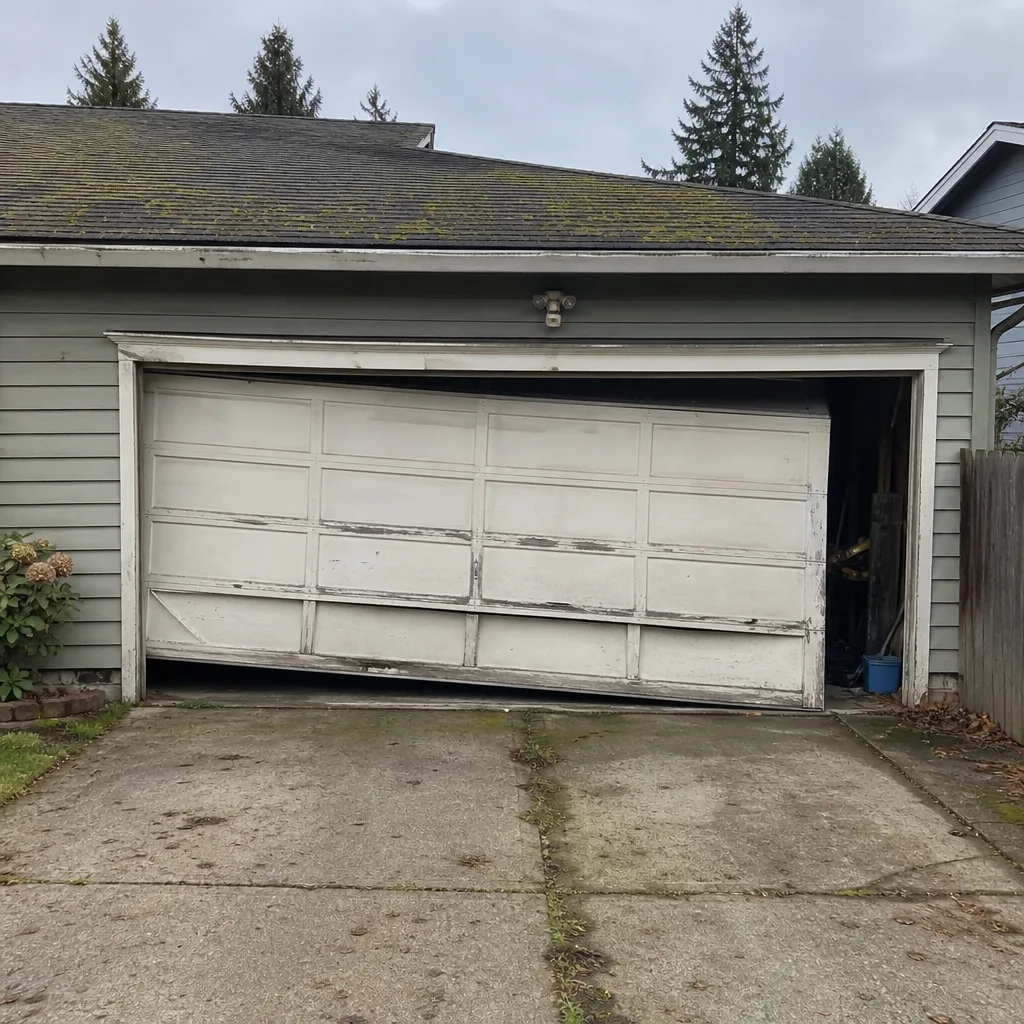 Before
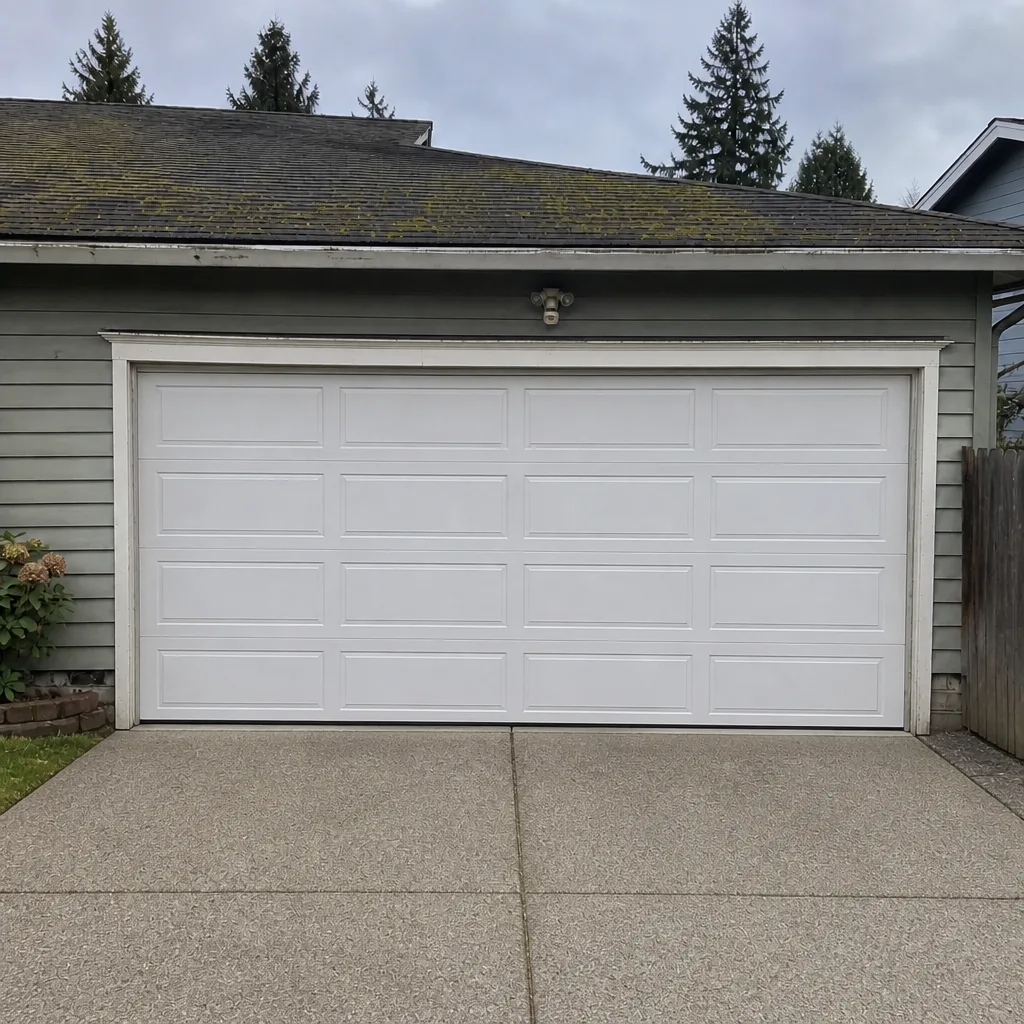 After
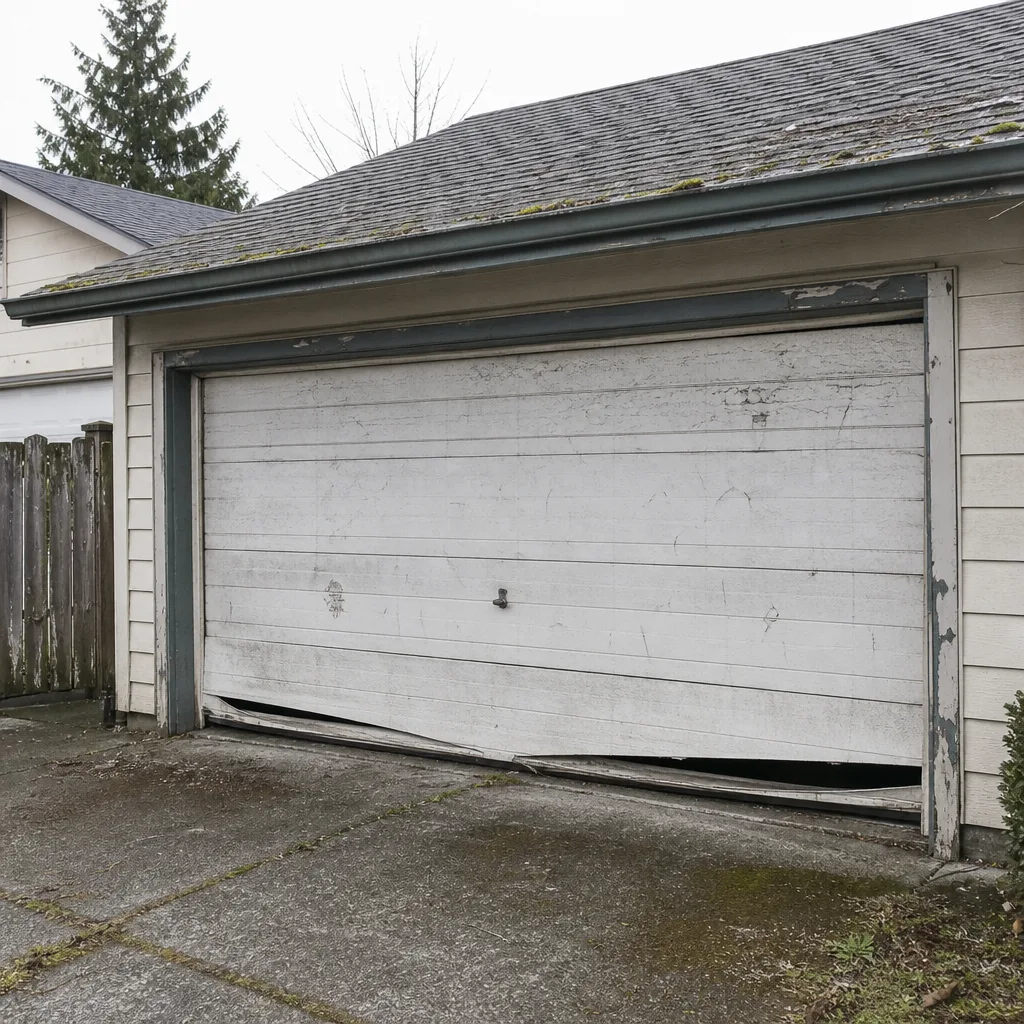 Before
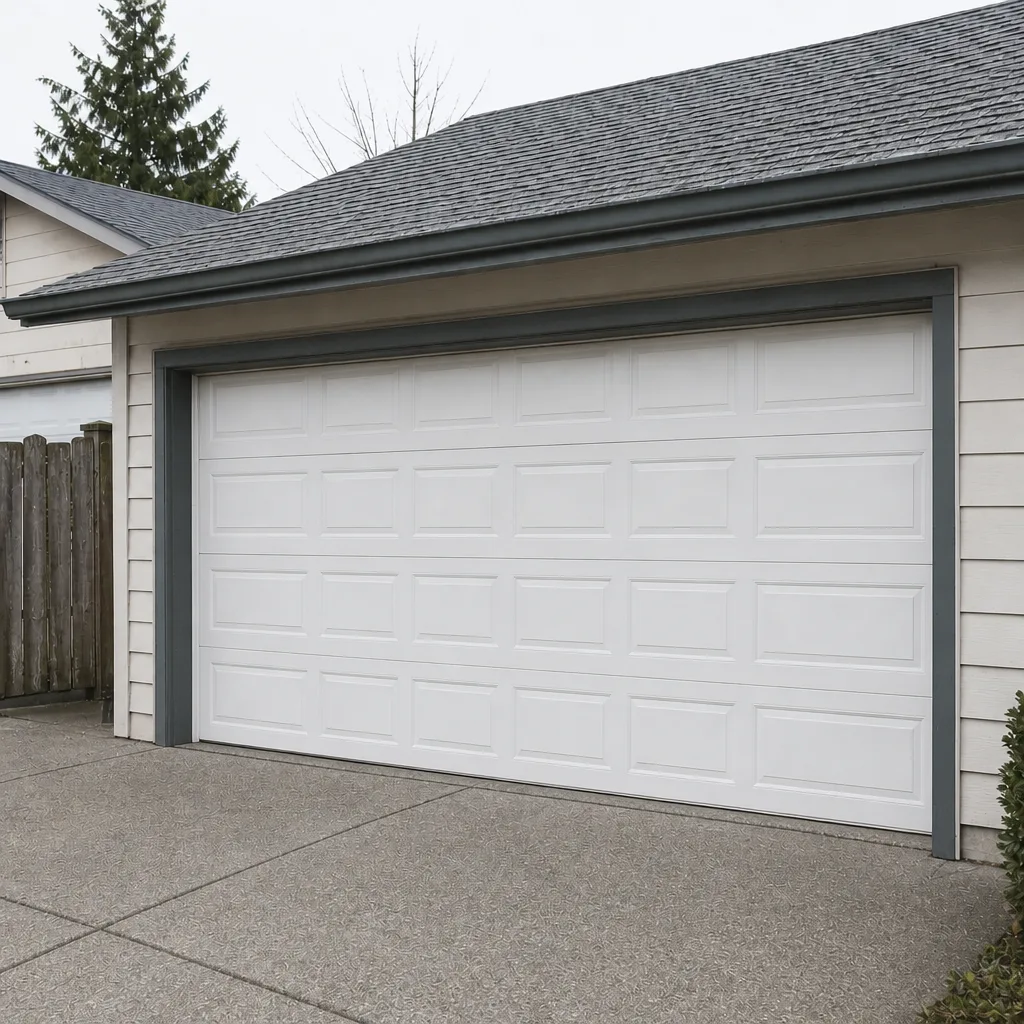 After
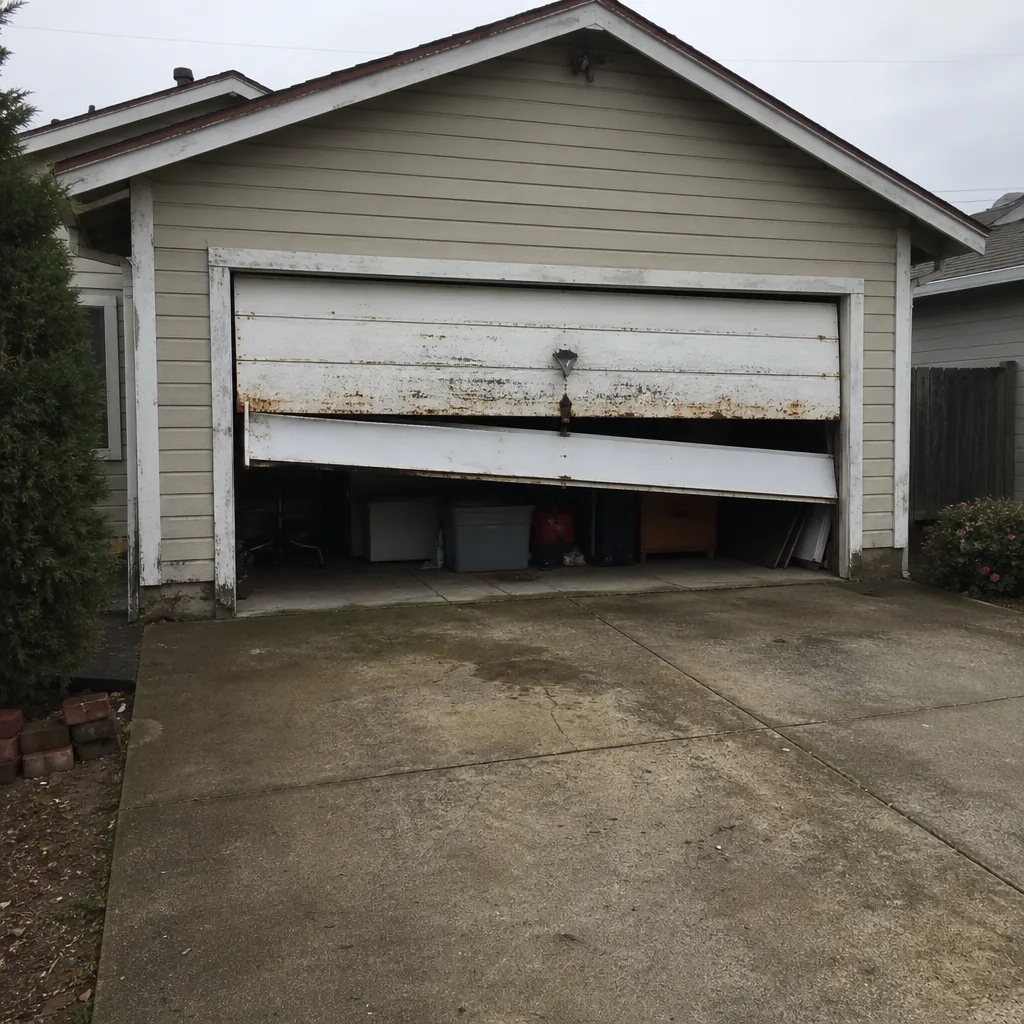 Before
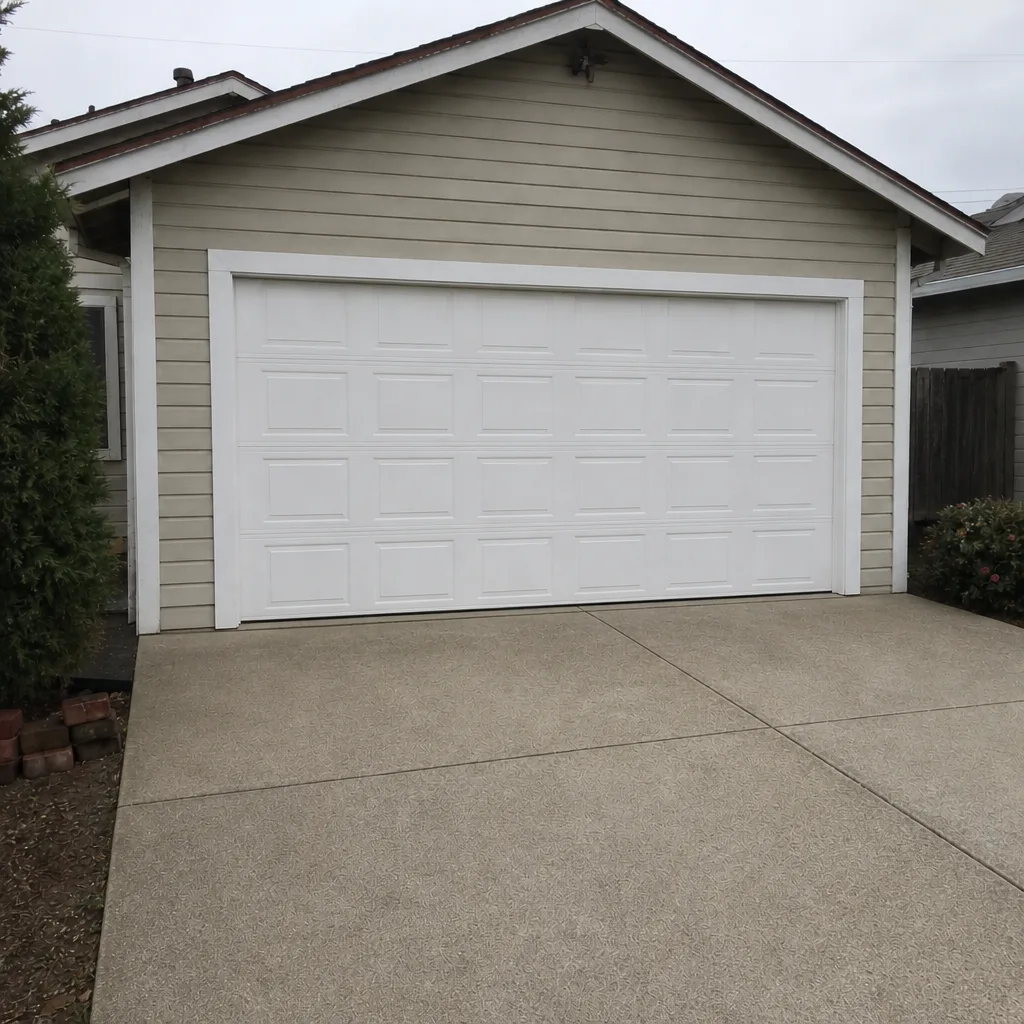 After