
Last updated November 23, 2026
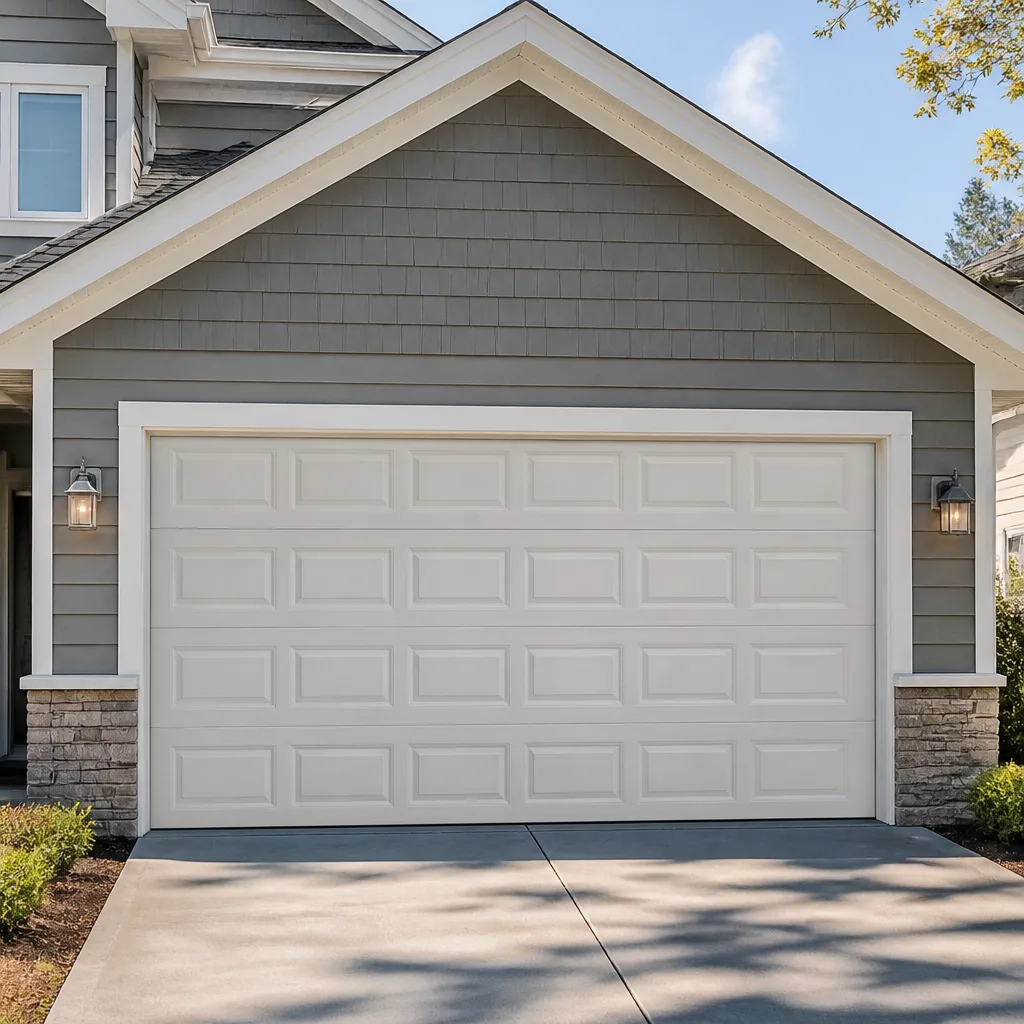 Raised-panel steel
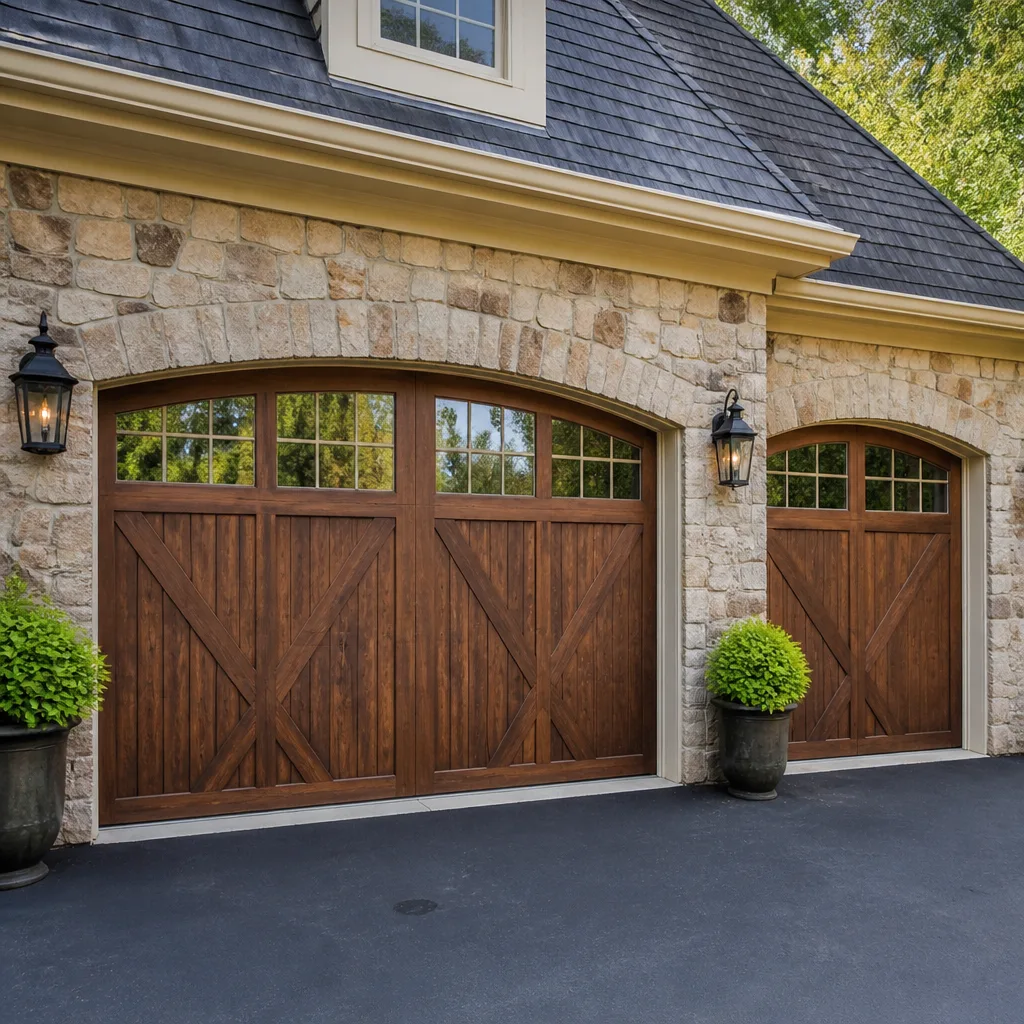 Carriage house
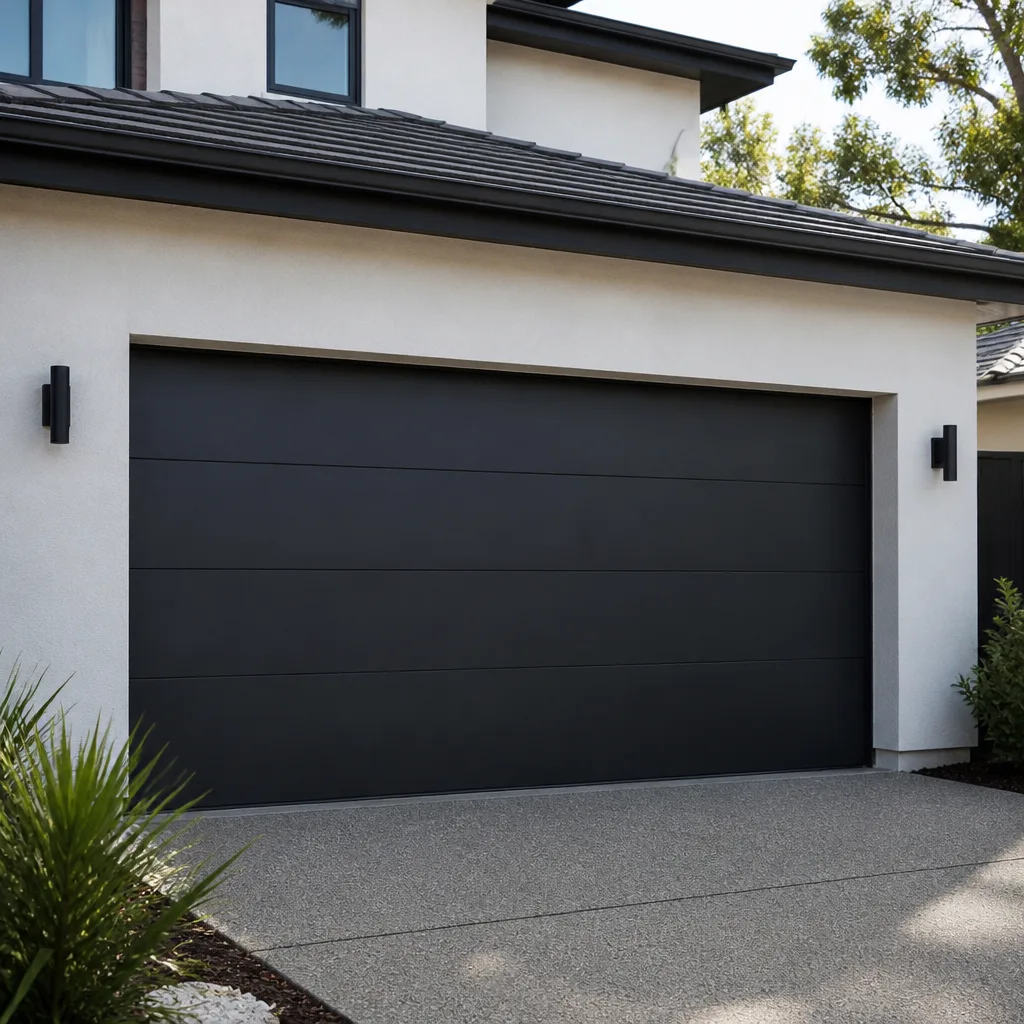 Modern flush
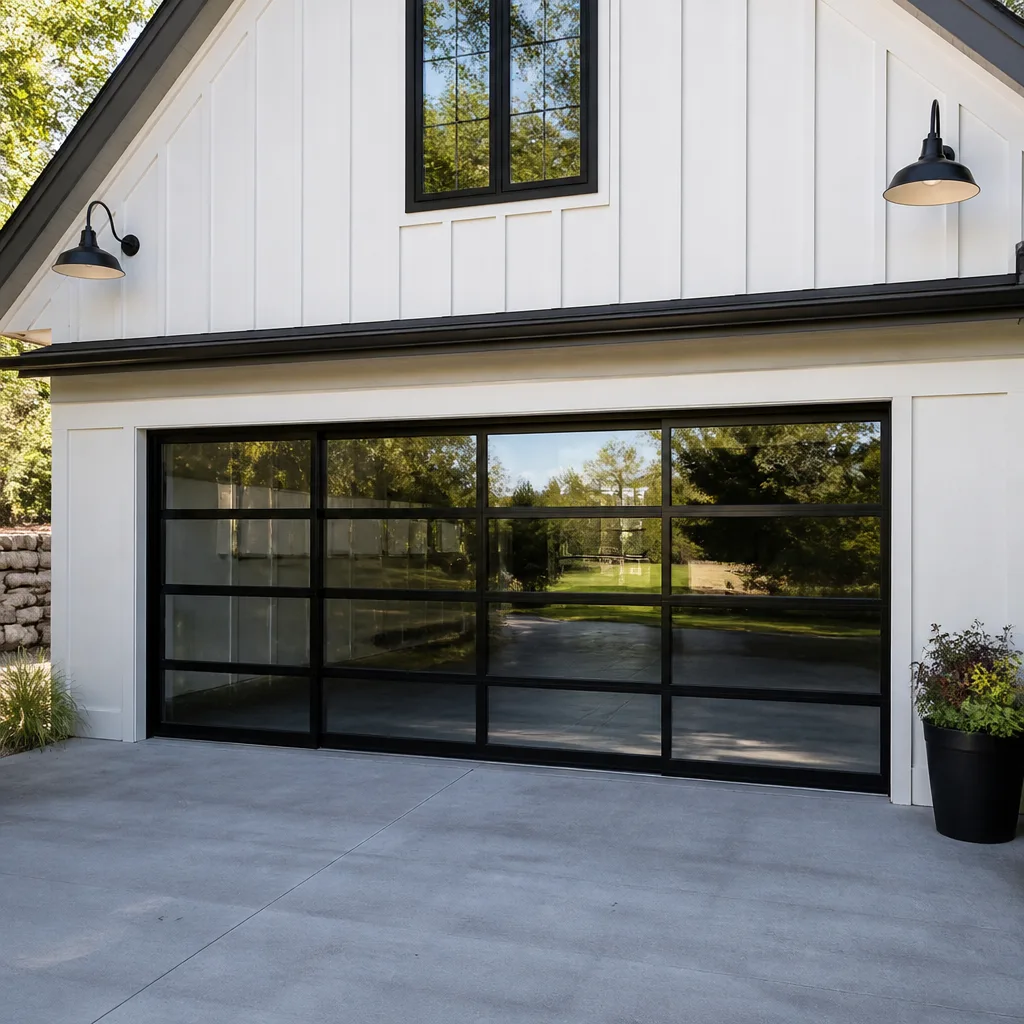 Full-view glass
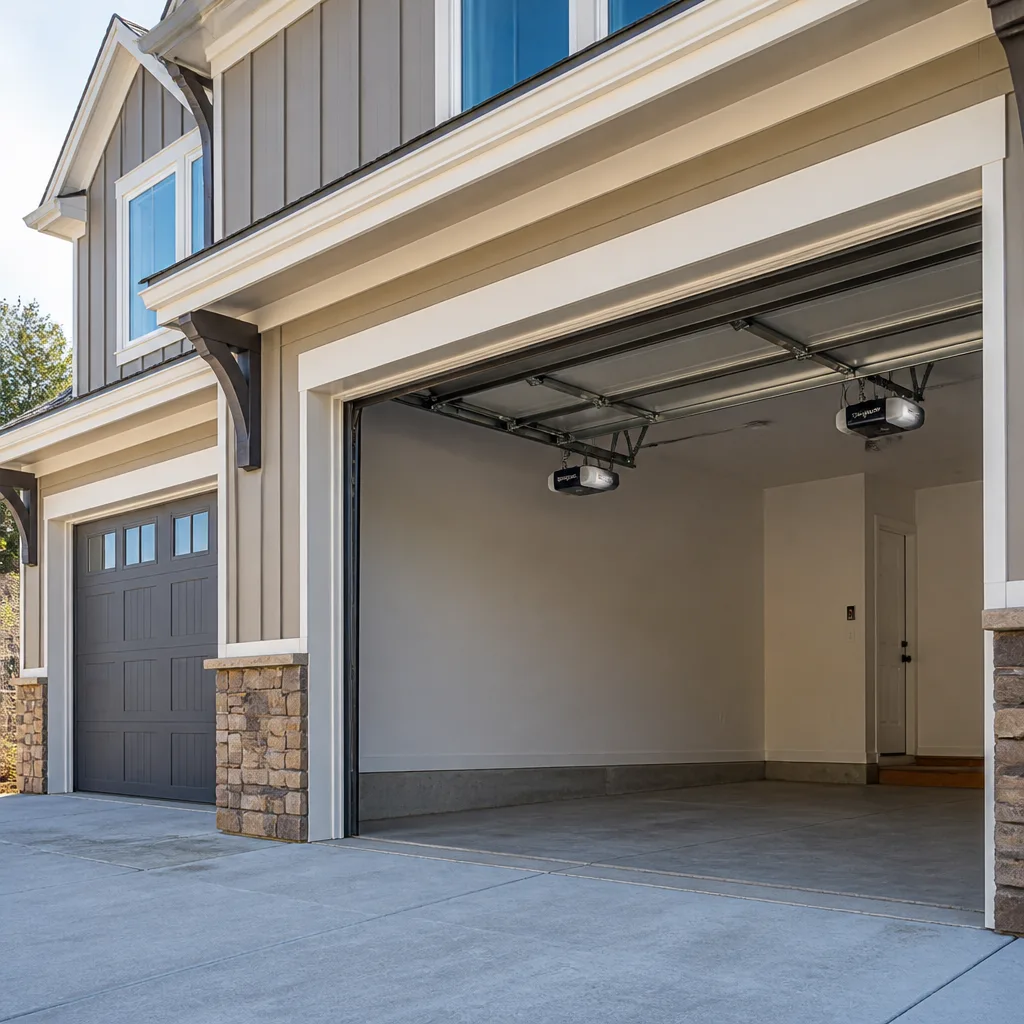 LiftMaster openers
 Chamberlain openers
Full 25-point door and opener safety check with every visit - springs, cables, rollers, tracks, and your LiftMaster or Chamberlain opener included
You get a price before we start. It does not change when the pro arrives.
Get your free estimateGarage Door Emergency Preparedness Guide for Tacoma Homes
Most Tacoma homeowners think about their garage door exactly once: the moment it stops working. That’s backward. The door is the largest moving object on the house, it’s the entry point most households in Tacoma use every single day, and it’s the one system that fails hardest when the power drops or a windstorm rolls through the South Sound. Preparedness isn’t about expecting disaster. It’s about knowing where the manual release cord is before you need it, understanding what a jammed track actually means, and having a plan your whole household can follow. This guide walks you through building that plan step by step, from testing the release to knowing exactly what to tell a dispatcher when you call for help.
Quick Answer
Garage door emergency preparedness in Tacoma comes down to four things: testing your manual release cord at least twice a year, knowing how to open the door by hand during a power outage, inspecting the door after any major windstorm before you operate it, and keeping your door and opener brand information ready so emergency service can send the right technician. A door stuck open needs the same urgency as a door stuck shut, because security and weather intrusion matter as much as access. When something fails that you can’t safely resolve, call (833) 482-6153. We answer 24/7.
Styles & brands we work with
- Raised-panel steel
- Carriage house
- Modern flush
- Full-view glass
- LiftMaster openers
- Chamberlain openers
Table of Contents
- How the Manual Release Works (and Why You Should Test It Today)
- Power Outage Prep: What to Do When the Door Won’t Move
- Tacoma Windstorm Protocol: Inspect Before You Trust the Door
- The Door Is Stuck Open: Your First 30 Minutes
- What to Have Ready When You Call for Emergency Service
- Battery Backup Openers and Manual Operation Training
- A Seasonal Preparedness Checklist for Tacoma Homes
- When to Stop Troubleshooting and Call a Professional
How the Manual Release Works (and Why You Should Test It Today)
Every residential garage door with an automatic opener has a manual release: a cord, usually red, that hangs from the trolley carriage attached to the opener rail. Pulling it disengages the door from the opener so you can lift the door by hand. It’s the single most important piece of safety equipment on your door, and it’s also the piece most homeowners have never touched since the day the door was installed.
That matters because a release cord that sits unused for years can seize. The carriage mechanism collects dust, the cord can tangle or snap, and the disconnect lever can bind. When a Tacoma power outage hits and you finally reach for that cord, it may not move the way it should. Testing it now, on a calm day, is the whole point.
How to test your release safely
- Close the door fully and confirm no one is standing under or near it.
- With the door closed, pull the release cord straight down. You should feel the carriage disengage.
- Lift the door by hand a few inches, then lower it. A properly balanced door should stay put at about waist height and lift with steady, moderate effort.
- Re-engage the carriage by pulling the cord again, then run the opener to confirm it reconnects and cycles normally.
Do this twice a year. If the cord won’t pull, if the door feels unusually heavy, or if the carriage re-engages poorly, don’t force it. That’s a mechanical issue, and it’s one worth having looked at before it becomes an emergency.
The failure mode almost nobody knows about
Here’s what surprises people: the release disconnects the opener, but it does not make the door light. If a spring has broken, the door will still be extremely heavy – or on a torsion system it may not want to move at all, and it can fall if lifted. A door that won’t rise even after the manual release has been pulled is almost always a spring failure. Springs are under high tension and are the most dangerous component of the entire assembly. Don’t try to wind, cut, or adjust a spring yourself. Call (833) 482-6153 and let a trained technician handle it. Getting this wrong can cause serious injury.
Power Outage Prep: What to Do When the Door Won’t Move
Power outages in and around Tacoma are a fact of life. Windstorms take down lines, and when they do, the garage door stops responding. For a household with a car parked inside, that means the morning commute, the school run, and the trip to the grocery store all get interrupted at once. Car-dependent households feel this fast.
The good news is that a power outage is a mechanical non-event. The door isn’t broken. The opener just has no power. Once you understand that, the checklist becomes simple.
What to do in a power outage
- Don’t press the wall button repeatedly hoping it resets. It won’t, and on some openers it can cause odd behavior.
- Locate the manual release cord. On most residential doors it’s the red cord hanging from the trolley.
- Pull it firmly downward to disconnect the door from the opener.
- Lift the door slowly by hand. If it feels too heavy to lift with steady effort, stop and call for professional help – a spring or balance issue is at play.
- Once the door is fully up, prop or secure it so it can’t drift down while you drive out. Then close it by hand before you leave, or leave it up if you’re keeping watch, keeping in mind that an open garage is an open invitation.
- When power returns, close the door fully by hand, pull the release cord again to re-engage the carriage, and test the opener.
This is why manual operation training matters for every adult in the household, and even for older kids who drive. The one who finds the door stuck isn’t always the one who knows how the safety features work. Walk everyone through it once, in daylight, when there’s no pressure. We’ve seen a lot of stuck-door calls that could have been solved in two minutes if the person on the driveway had known where the cord was.
A garage door that won’t open because of a genuine mechanical failure is a different situation. That’s where garage door repair comes in.
Tacoma Windstorm Protocol: Inspect Before You Trust the Door
South Sound windstorms come through with real force, and a garage door is essentially a giant sail mounted on a track. Wind loading puts stress on panels, hinges, rollers, and the tracks themselves. Most doors come through fine. Some don’t, and the ones that don’t can fail in a way that’s easy to miss.
Before you operate the door after a big wind event, inspect it on foot, with the door closed.
Post-storm inspection checklist
- Panels: Look for dents, buckling, or panels that have bowed inward or outward. A warped panel can bind and cause opener strain.
- Tracks: Run a hand along the horizontal and vertical tracks by eye first. Tracks should be straight and parallel. A bent track means the door will jam or, worse, come off its rollers.
- Hinges and rollers: Look for popped hinges, roller brackets pulled loose from the panel, or rollers sitting outside the track.
- Cables: Look for a cable that has come off its drum or is frayed. Never touch a cable under tension. They can snap with brutal force.
- Weather seal: Check the bottom seal for tears. A seal that’s been lifted by wind can let water and pests under the door.
- Debris: Clear branches, roofing debris, and anything propped against the track or panel.
When visible damage means “don’t use it”
If a track is bent, if a panel is severely deformed, if a cable is off its drum, or if the door is visibly skewed in the opening, don’t run the opener and don’t force the door by hand. Operating a damaged door can cause the whole assembly to come off the track or collapse, and that’s a serious safety risk. Treat it as a no-use situation and call for professional help. This is exactly the kind of failure our emergency service is built for.
The Door Is Stuck Open: Your First 30 Minutes
A door stuck shut is an inconvenience. A door stuck open is a security and weather emergency. Your home’s contents, your vehicles, and in a storm, your interior are all exposed. Treat this as the priority it is.
What to do in the first 30 minutes
- Get the door down by hand if it’s safe. Pull the manual release, then lower the door slowly by hand. It should be heavy but manageable. If it drops or feels uncontrollable, stop and don’t stand under it.
- Do not run the opener. A stuck-open door is often a broken spring or a disconnected opener carriage. Cycling the opener will strain the motor and can damage parts further.
- Improve security immediately. If the door can’t be closed, block access as best you can. A vehicle parked just inside the opening is a common short-term barrier. So is a heavy object placed at the door’s base, though it won’t stop a determined intruder.
- Protect against weather. A tarp hung inside the opening and weighted at the floor will keep out rain. Moving anything valuable away from the door’s path is worth doing.
- Call for service. Note what triggered the failure and what you’ve observed. Call (833) 482-6153. We answer 24/7, with fast dispatch from 7am to 7pm, Sunday through Friday.
- Stay out of the door’s path. Keep children and pets away from the assembly until a technician arrives.
A stuck-open door in Tacoma also means rain walks right into the garage. If your garage shares a wall with the house, water intrusion can reach farther than you’d expect. Getting the door down, even by hand, is worth the effort.
What to Have Ready When You Call for Emergency Service
An emergency call goes faster and gets the right parts when you can give a dispatcher useful information up front. The difference between “my door is broken” and “my LiftMaster opener won’t lift a Clopay door, and the release cable is loose” is significant. The second call gets a technician who arrives prepared.
Have this information ready before you call
- Door brand: Look for a sticker or label on the inside of the door panel. Most residential doors carry one. If yours is a Clopay, Amarr, Wayne Dalton, or Raynor, the label will tell you – and knowing it speeds up sourcing if a panel or hardware piece is needed.
- Opener brand and model: Most openers have a label on the motor housing or the back panel. LiftMaster, Chamberlain, Genie, and Craftsman are the most common brands in Tacoma homes, and each has its own parts quirks. Model numbers matter for compatible replacement parts.
- What triggered the failure: Was it a windstorm? A power surge? Did the door make a loud bang and stop? Did the opener run but the door not move? Each answer points to a different likely cause.
- Current position of the door: Is it up, down, or half-open? A half-open door that won’t move is a different situation than a door stuck closed.
- Your address and access notes: A narrow alley, a shared driveway, or a locked gate matters for a service call.
- Whether you’ve pulled the manual release: If you’ve disconnected the door from the opener, tell the dispatcher. If the door won’t lift even when disconnected, that’s a strong signal of a spring problem.
Keep this information written down and taped inside the garage. When you’re standing in the driveway in the rain, remembering a model number is the last thing on your mind.
Battery Backup Openers and Manual Operation Training
Modern openers from LiftMaster and Chamberlain often include battery backup, which lets the opener run a limited number of cycles when the power is out. If your opener supports it, the backup module is a worthwhile addition. If your current opener doesn’t have it, that’s worth considering when it’s time to replace the unit. Our garage door opener repair capability includes these smart-home-integrated lines, so we know exactly what a LiftMaster or Chamberlain unit can and can’t do in an outage.
Battery backup doesn’t replace manual operation training. It supplements it. The battery runs down, or the door has a mechanical problem the opener can’t solve, and you’re back to using the release cord. Train every person who drives a car in the household.
How to train your household on manual operation
- Walk everyone to the release cord and identify it by name.
- Show them how to pull it, how the carriage disconnects, and how to re-engage it.
- Let each person lift the door by hand, with supervision, so they know what the door should feel like.
- Show them where the brand labels are on the door and the opener.
- Walk through what to do if the door won’t lift: stop, don’t force it, call (833) 482-6153.
Five minutes of training during a calm week eliminates a lot of panicked phone calls. It’s the single highest-value preparedness step you can take.
A Seasonal Preparedness Checklist for Tacoma Homes
Garage door failures follow the seasons here. Windstorms and power outages cluster in the storm season. The rainy months test seals and tracks. Summer heat can warp a tired panel and strain a motor. A simple seasonal routine catches problems while they’re small.
Twice a year
- Test the manual release and confirm the door re-engages.
- Lift the door by hand and check that it’s balanced and moves smoothly.
- Look along the tracks for bends, and check that hinges are tight.
- Clear dust and debris from the tracks and opener carriage.
- Check the bottom weather seal for cracks and tears.
- Test the opener’s safety reversal: place an object in the door’s path and confirm the door reverses.
After any major storm
- Run the full post-storm inspection covered above before you operate the door.
- Look for water intrusion around the door opening, especially if your garage shares a wall with the house.
- Check the opener’s outdoor lights and any connected smart-home features for signs of surge damage.
Before the storm season
- Confirm your manual release works and everyone knows where it is.
- Confirm your opener’s battery backup is present and charged, if you have one.
- Keep your door and opener brand info written down inside the garage.
- Note that a garage door assembly under strain from a bent track or worn rollers handles wind loading poorly – it’s worth having worn hardware addressed before the wind picks up.
See the difference
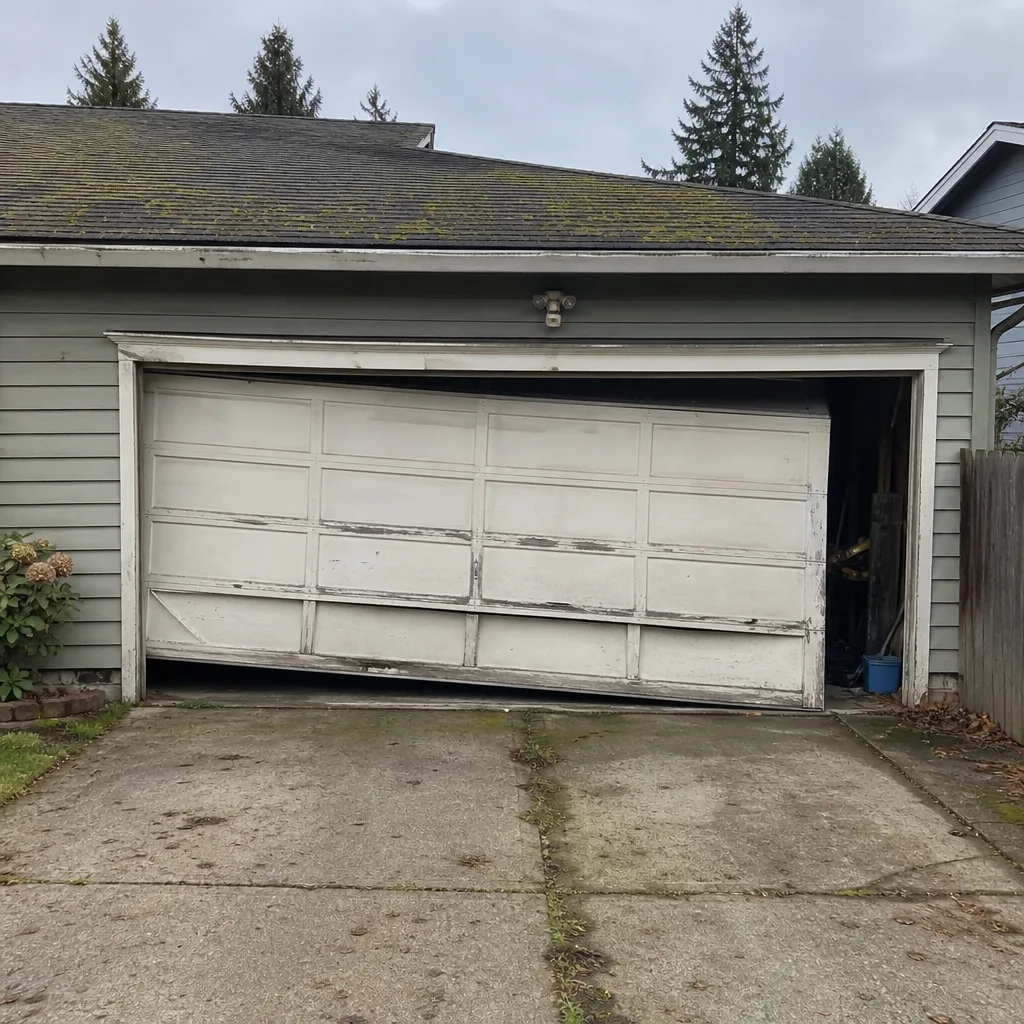 Before
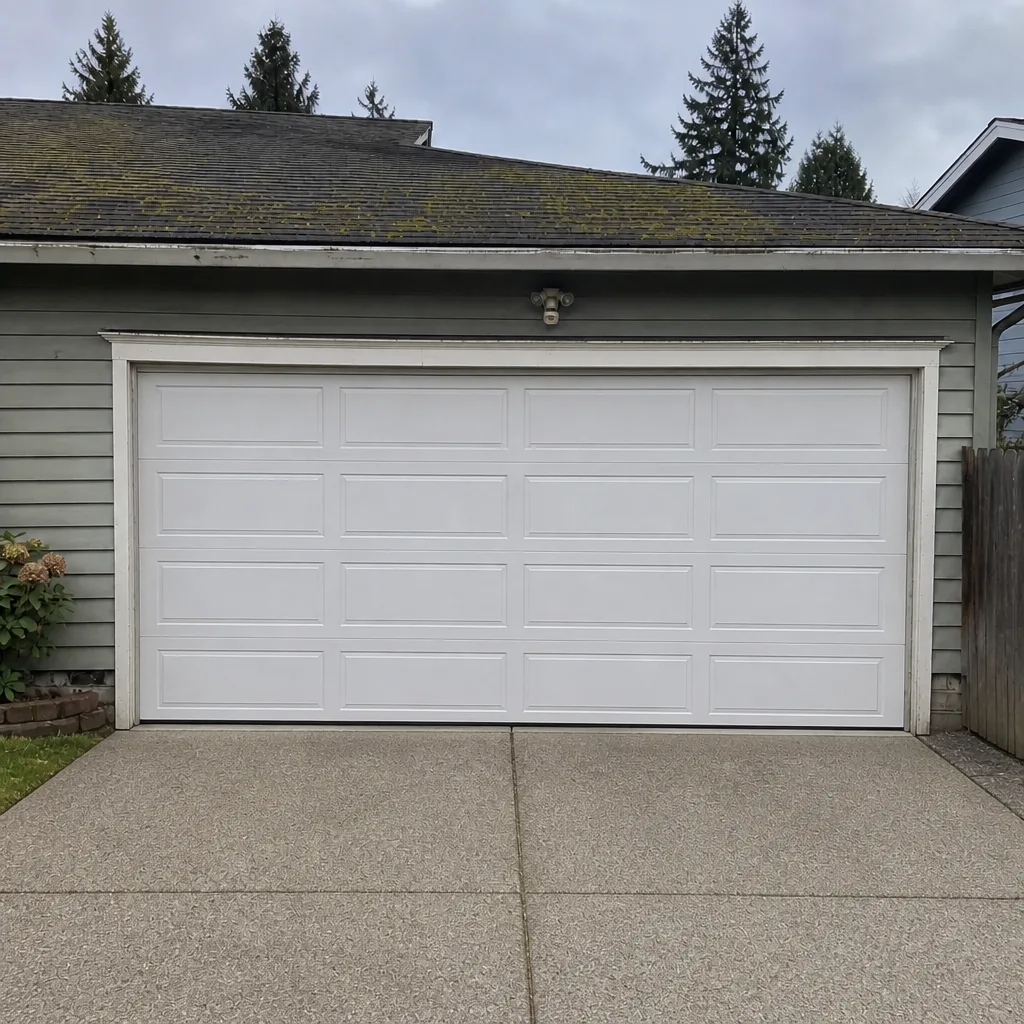 After
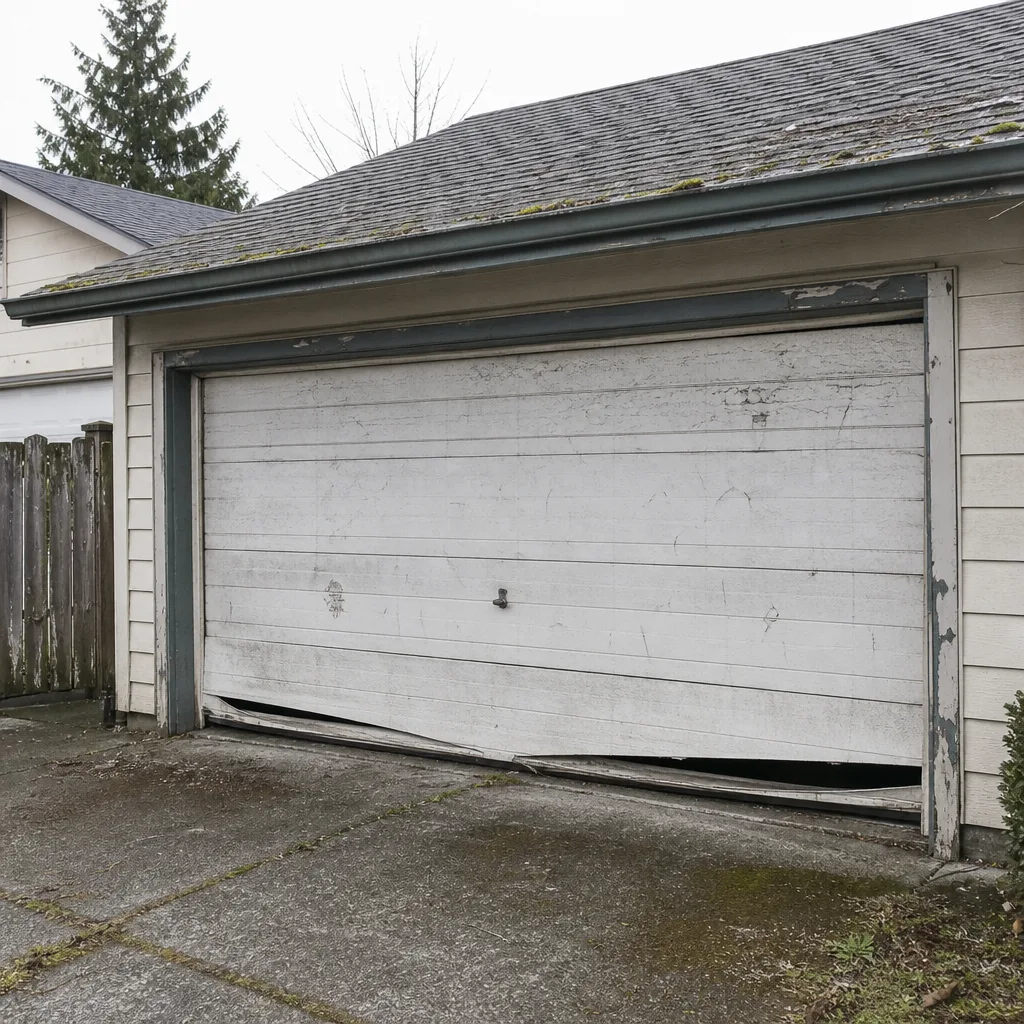 Before
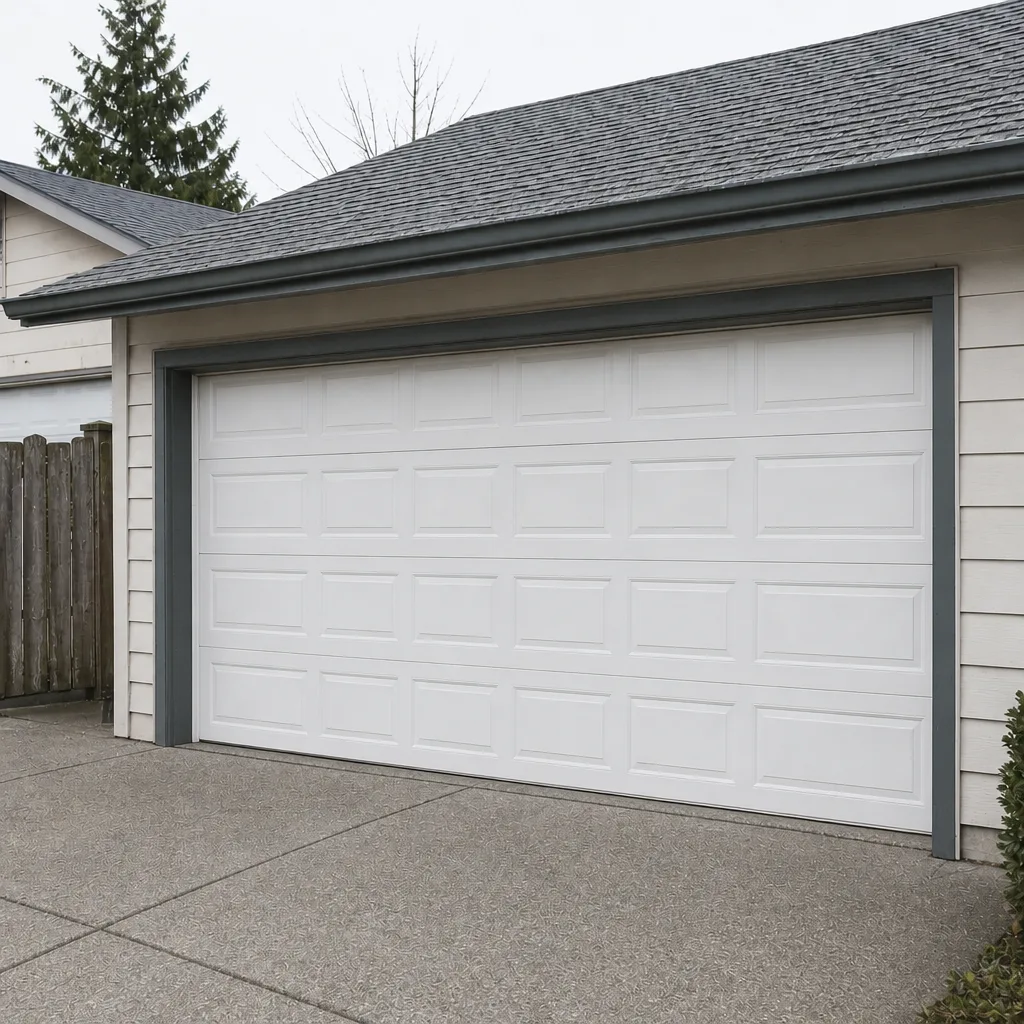 After
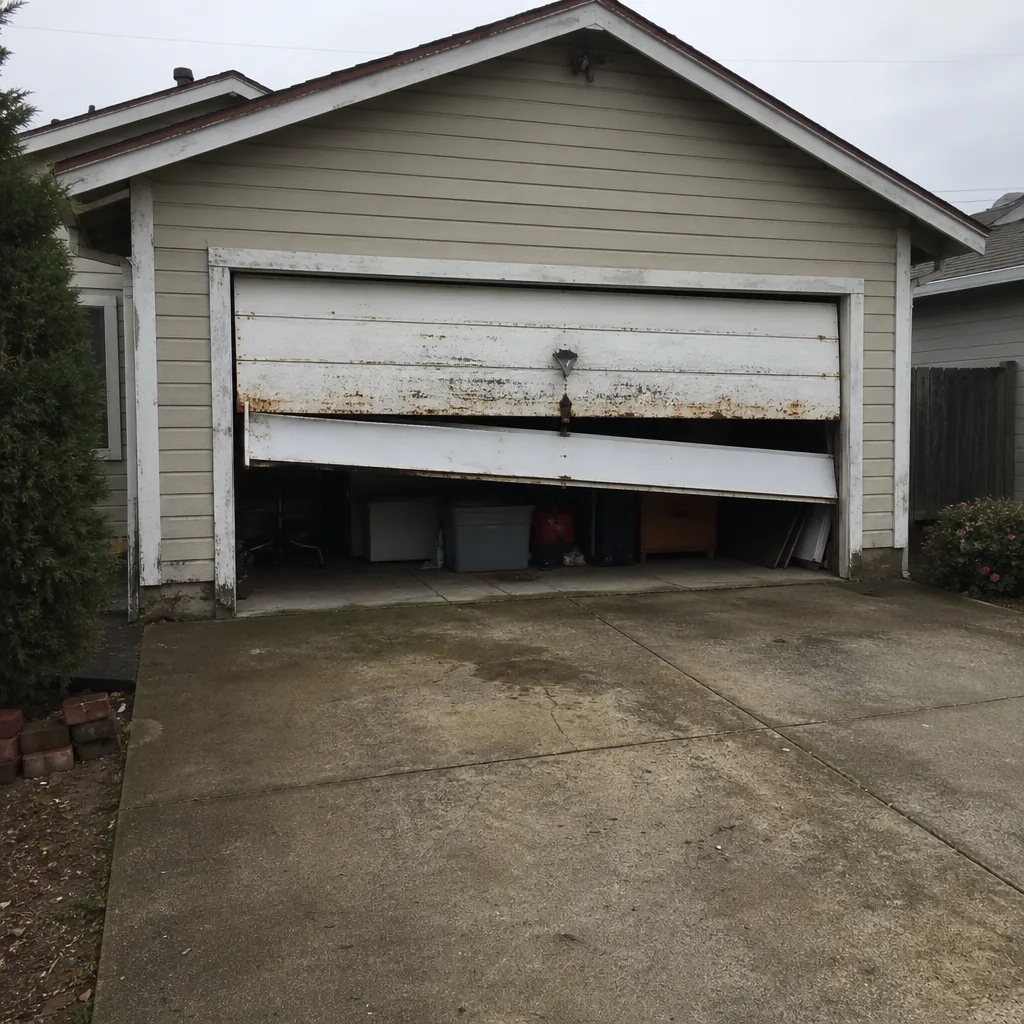 Before
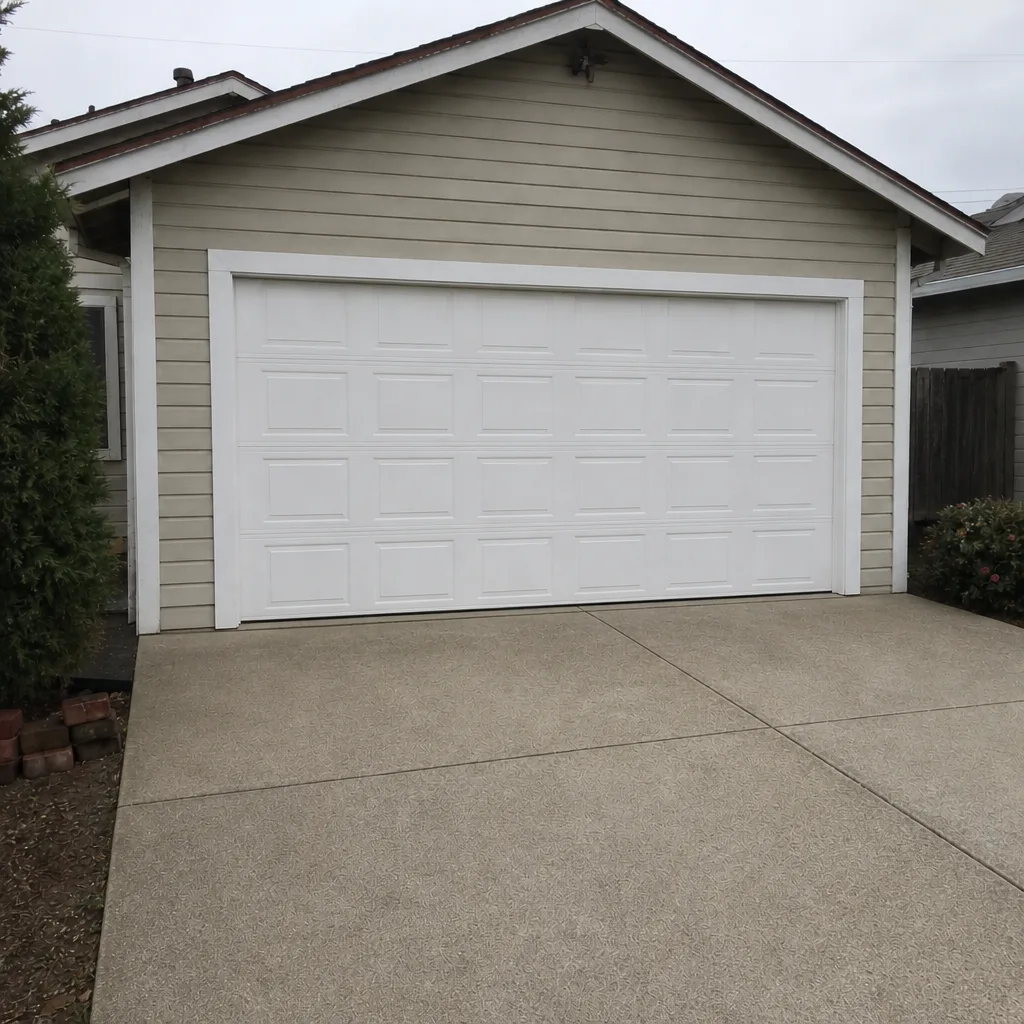 After
Common Mistakes to Avoid
- Never testing the manual release. A cord that’s never been pulled is a cord you can’t trust. It may be seized or tangled when you need it most.
- Assuming the release makes the door light. A broken spring makes the door extremely heavy or immovable, even with the opener disconnected. Don’t force it.
- Touching a spring or cable. These are under high tension and can cause serious injury. This is the one part of the garage door assembly that should always be left to a trained technician. We offer it as a dedicated service: garage door spring repair.
- Running a damaged door. If a track is bent or a panel is badly deformed, operating the door can make things worse. Stop and call for help.
- Forgetting to train the household. The person who finds the door stuck isn’t always the person who knows how the release works. Walk everyone through it.
- Panicking over a stuck-open door. It’s an urgent security problem, but it’s solvable. Get the door down by hand if it’s safe, protect the opening, and call for service.
- Ignoring a slow-moving door. A door that hesitates, jerks, or makes new noises is telling you something’s wearing out. Address it before it becomes an emergency.
When to Call a Professional
Some garage door problems are manageable by a prepared homeowner. Others aren’t, and knowing where that line sits is the whole point of this guide. Call for professional help when a spring is broken or the door won’t lift even after the manual release is pulled; when a track is bent, a panel is deformed, or a cable is off its drum; when the opener runs but the door doesn’t move; when the door is stuck open and you can’t get it down safely; or when the door makes new noises, moves unevenly, or hesitates during operation. Any of these can become a safety risk if ignored. Our technicians have up to 11 years of experience and service every major brand, from LiftMaster and Chamberlain openers to Clopay and Amarr doors. Tacoma Garage Door Repair Co offers free estimates in Tacoma – call (833) 482-6153.
Frequently Asked Questions
Most emergency repairs we handle fall into a few common categories: minor adjustments, opener repairs, and spring replacements. Because pricing depends on the door type, the part that failed, and the brand involved, we price each job by written estimate before any work starts. You’ll know the number before we begin. There’s no charge for an estimate. Call (833) 482-6153 for an exact quote – estimates are free.
Same-day emergency service is available for situations where a failing door creates a safety or security risk. We answer 24/7, with fast dispatch from 7am to 7pm, Sunday through Friday. If you call outside dispatch hours, we’ll book you into the next opening. Call (833) 482-6153 so we can confirm the timing for your specific situation.
No. The price is quoted and agreed before any work starts. If we find something different from what was described on the phone, we’ll explain it, give you a new written estimate, and get your approval before continuing. The written estimate sets the final price.
The local professionals we connect you with are licensed and insured as their state requires. We stand behind the work with a satisfaction guarantee. Call (833) 482-6153 with any questions about credentials before you book.
Yes, it is. A door stuck open leaves your home, vehicles, and contents exposed to weather and intrusion, so it should be treated as an urgent situation. Get the door down by hand if it’s safe to do so, protect the opening however you can, and call (833) 482-6153. We answer 24/7.
You’ll usually hear a loud bang from the garage, and afterward the door will be extremely heavy or won’t lift at all, even when you pull the manual release to disconnect the opener. The door may also hang unevenly. Never try to lift, adjust, or replace a spring yourself – they’re under high tension and can cause serious injury. Call a professional. Call (833) 482-6153 for a free estimate.
The Bottom Line
Most garage door emergencies in Tacoma aren’t really emergencies. They’re surprises – a seized release cord, an untrained household, a bent track nobody noticed. Preparedness is a small set of habits: test the release twice a year, train everyone who drives, inspect after storms, and keep your brand info where you can find it. When something goes past what you can safely handle yourself, call a specialist. Tacoma Garage Door Repair Co handles the full range, from installation and opener repairs to spring replacement and emergency service, on every major brand under one roof. When you need a new door, we handle garage door installation too. Ready to build your plan or handle a problem right now? Call (833) 482-6153. We answer 24/7. Fast dispatch from 7am to 7pm, Sunday through Friday.
Written by the team at Tacoma Garage Door Repair Co.