
Last updated November 23, 2026
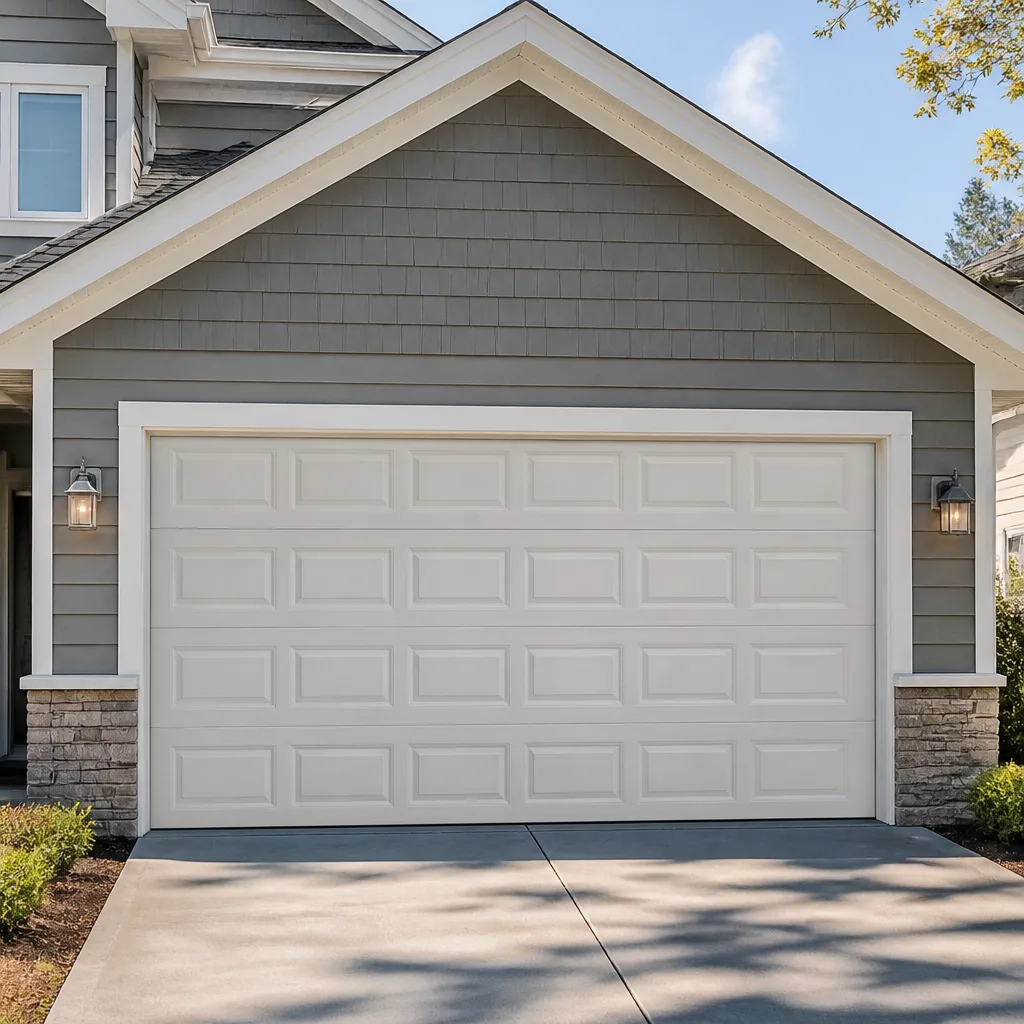 Raised-panel steel
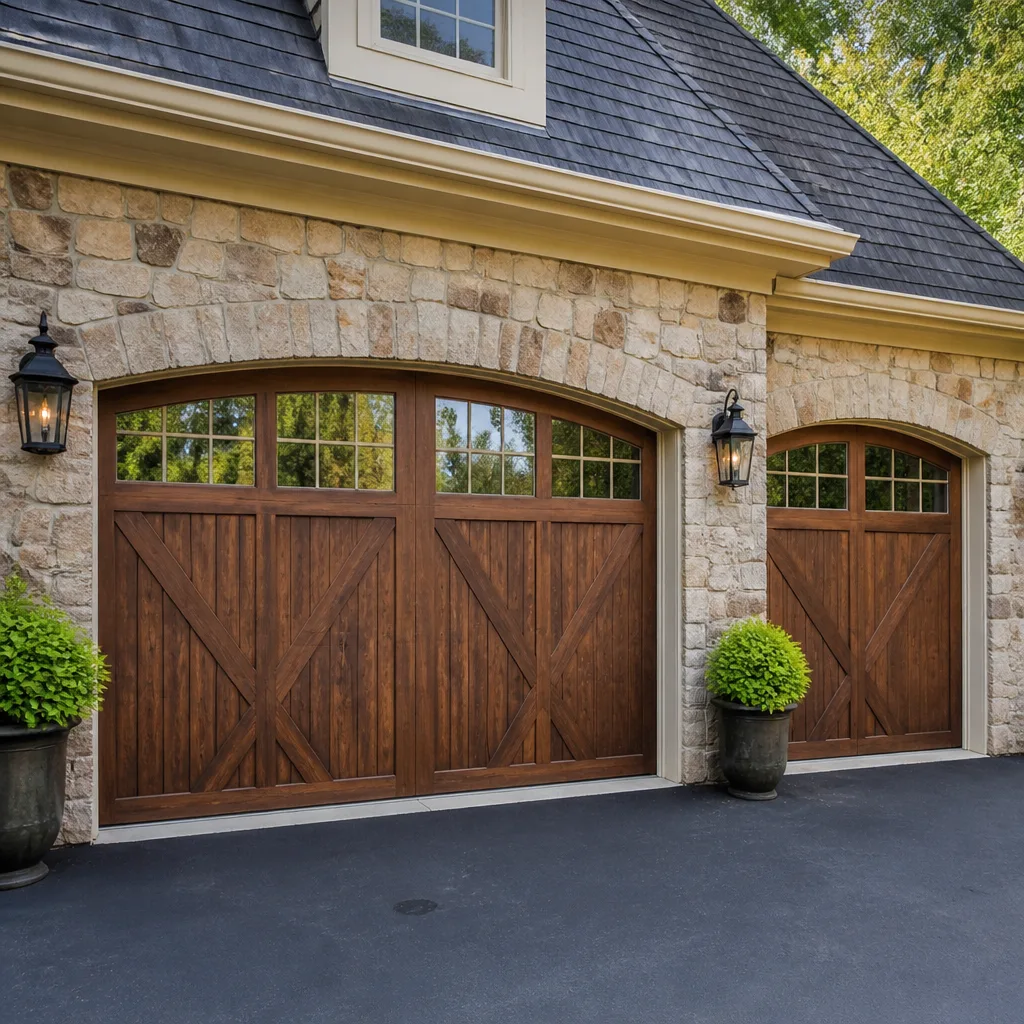 Carriage house
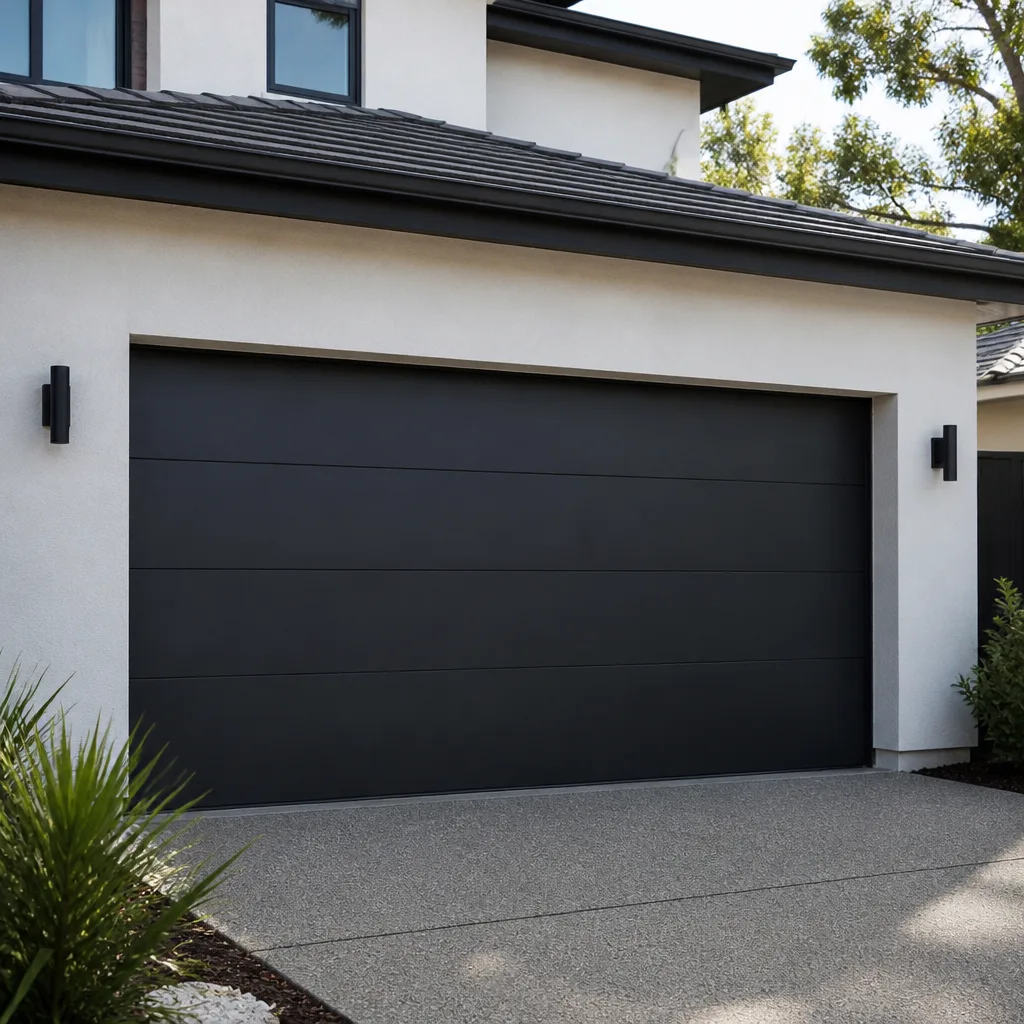 Modern flush
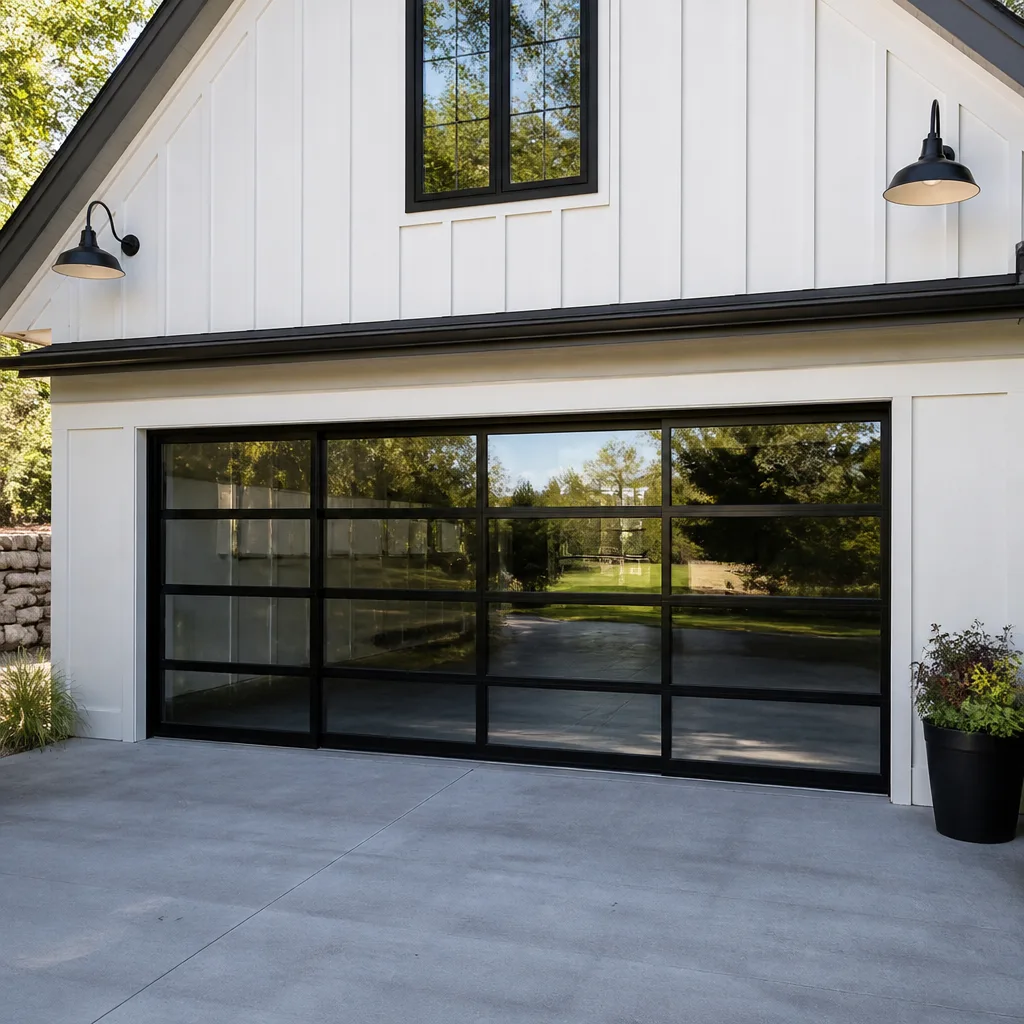 Full-view glass
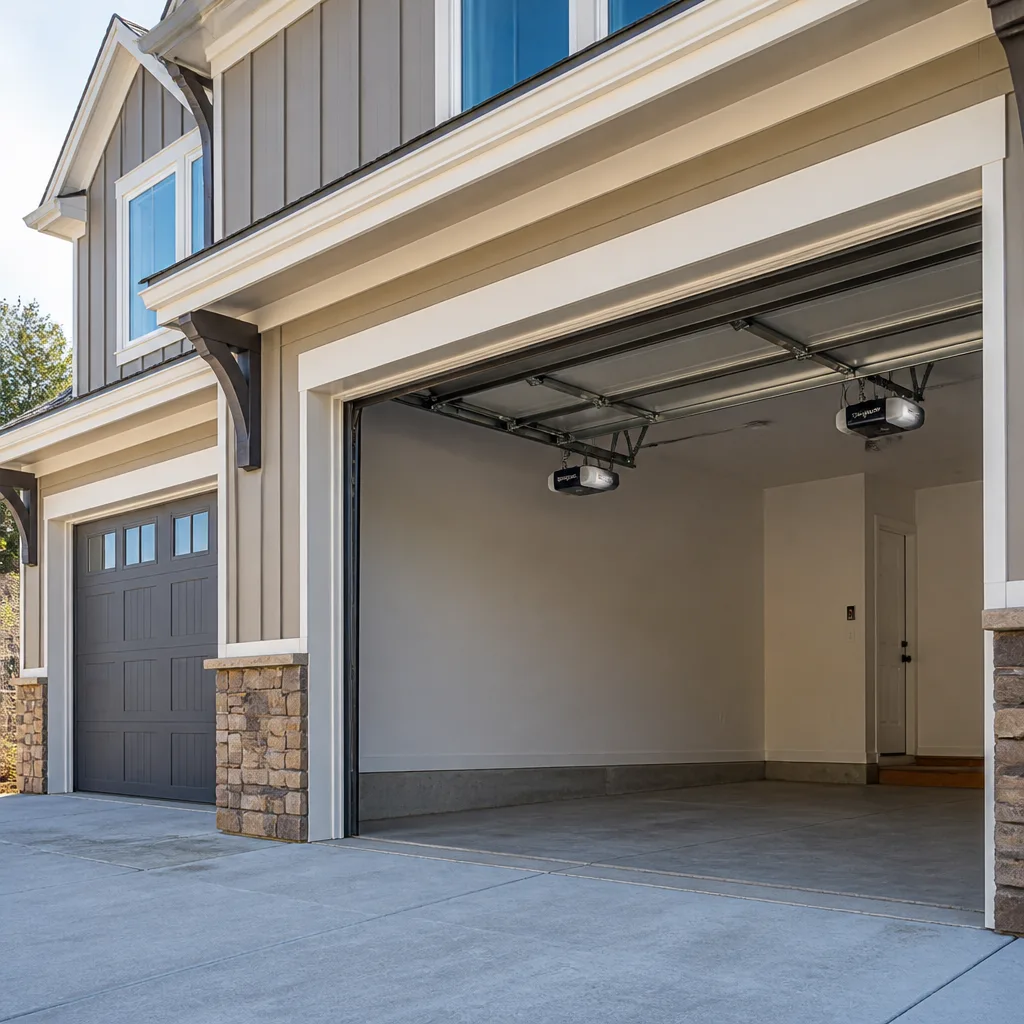 LiftMaster openers
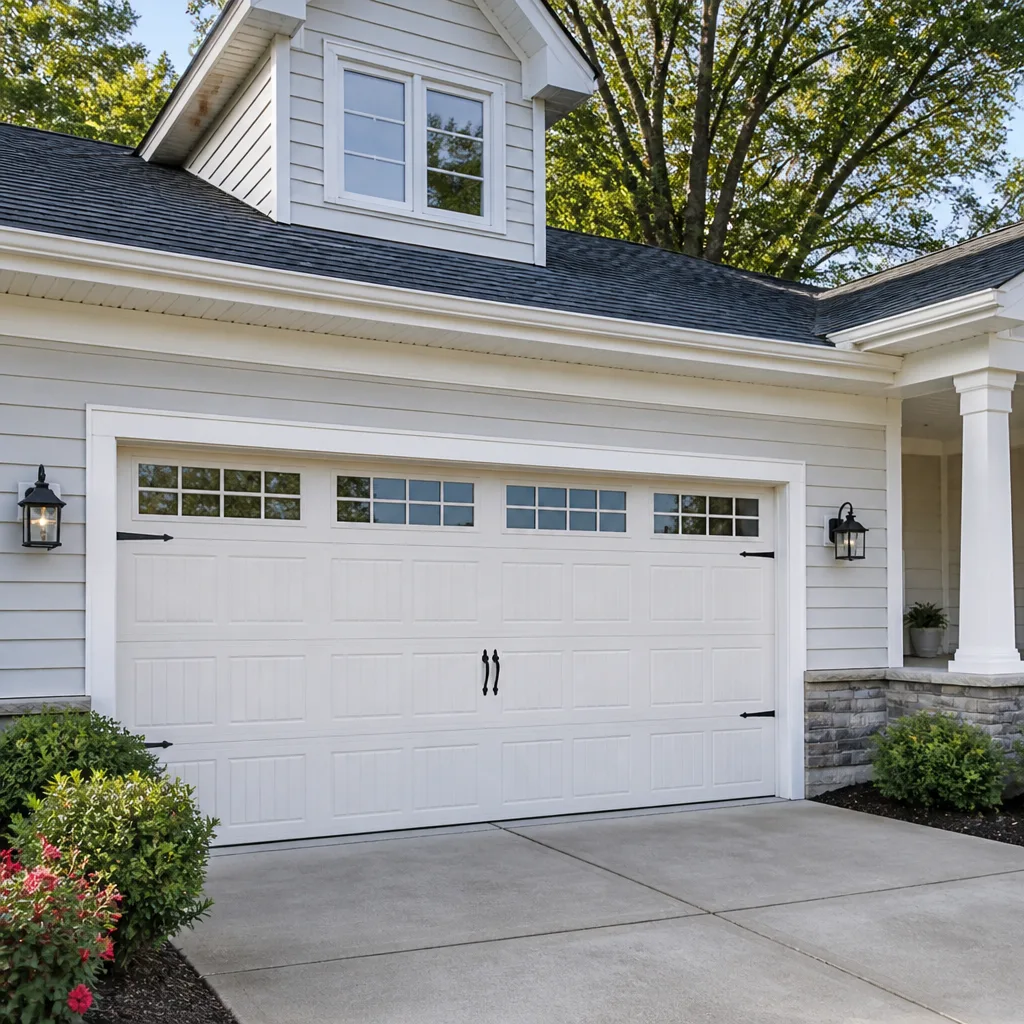 Chamberlain openers
Full 25-point door and opener safety check with every visit - springs, cables, rollers, tracks, and your LiftMaster or Chamberlain opener included
You get a price before we start. It does not change when the pro arrives.
Get your free estimateGarage Door Warning Signs: A Tacoma Homeowner’s Reference Guide
A garage door that takes three seconds longer to close than it did six months ago isn’t “getting old.” It’s one of the clearest early indicators of a spring system under uneven tension, and that uneven tension comes before a sudden break. Most homeowners in Tacoma misread that signal, write off the grinding as normal aging, and file the slow operation under “quirk” instead of “safety risk.” We’ve seen where that ends. This reference guide pairs each warning sign with the component behind it and a clear action tier, so you know what to watch, what to schedule, and what to stop using today. You’ll also get a 60-second inspection you can run from inside your garage and the exact words to use when you call.
Styles & brands we work with
- Raised-panel steel
- Carriage house
- Modern flush
- Full-view glass
- LiftMaster openers
- Chamberlain openers
Quick Answer
The most serious garage door warning signs are a door that reverses before it touches the floor, a snapped torsion or extension spring, a door that comes off its track, and any grinding or popping from above the door. Those are stop-and-call signs. Slow operation, rust streaks on the tracks, a torn bottom seal, and opener strain on cold wet mornings are schedule-now signs. Squeaks, loose hinges, and a door that rattles when it moves are note-it-for-next-service signs. A trained technician should handle springs and cables every time, no exceptions.
Table of Contents
- The Three Warning Sign Tiers: Danger, Schedule, Note
- The 60-Second Inspection From Inside Your Garage
- Sound Diagnosis: What Each Noise Is Telling You
- Tacoma-Specific Warning Signs to Watch For
- Springs and Cables: The Signs You Never Diagnose Yourself
- Opener Strain: When the Motor Is Doing Too Much Work
- What to Tell a Technician When You Call
- Common Mistakes to Avoid
- When to Call a Professional
- Frequently Asked Questions
- The Bottom Line
The Three Warning Sign Tiers: Danger, Schedule, Note
Not every symptom deserves the same response. Sorting what you’re seeing into one of three tiers keeps you from overreacting to a squeak and underreacting to a snapped spring. Here’s how we break it down in Tacoma.
Tier 1: Immediate Danger – Stop Using the Door
- A snap or bang from above the door, followed by the door no longer lifting (broken spring)
- A door hanging crooked or visibly off its track
- A cable that is loose, kinked, or dangling
- The door reverses before it contacts the floor, or fails to reverse when something is in its path
- A gap between the door and the ground you can see daylight through after the door closes
- Grinding or popping from the torsion bar or the door’s hinges
Any of these means you park outside, close the door by hand if it’s safe to do so, and call for service. Don’t run the opener to “see if it works now.”
Tier 2: Schedule Now – Book Service This Week
- The door closes slower than it used to, or hesitates at the top of its travel
- Rust streaks on the tracks, hinges, or roller brackets
- The bottom seal is cracked, torn, or separating from the door panel
- The opener motor groans on cold, wet mornings
- Squealing or high-pitched noise from the rollers or hinges
- The door opens fine by hand but the opener struggles to lift it
Tier 2 items aren’t emergencies yet, but they’re the shortest path to Tier 1 if you leave them alone. This is where most preventable repairs begin.
Tier 3: Note It for Next Service
- Squeaks you can hear from inside the garage but nothing else
- Loose hinges or bolts that tighten with a wrench
- A door that rattles slightly when it moves
- A photo-eye lens that has dust or a cobweb on it
Tier 3 lives on your regular service list. Mention all of it at your next appointment, even the small stuff. It helps our technicians see the full picture in one visit.
The 60-Second Inspection From Inside Your Garage
You don’t need a ladder or tools to catch the five most common pre-failure indicators. Run this check monthly, and again any time the door sounds different than it did the week before. Do it from inside the garage with the door closed. It takes about a minute.
- Look at the springs. With the door closed, check the torsion spring above the door (the coiled spring on a bar) or the extension springs along the sides. Look for a visible gap in the coil, or for the spring hanging loose. A gap means it’s broken.
- Check the cables. Follow the cables that run down each side of the door. They should be taut and neatly spooled. If one is loose, kinked, or frayed, stop here. Call for service.
- Scan the tracks and hardware. Look for rust streaks, black residue, or a track that looks bent. Run your eye down both sides. Any rust trail means moisture is getting in, and that’s the start of a seized roller.
- Inspect the bottom seal. With the door fully closed, look at the rubber seal touching the concrete. It should sit flat against the floor with no daylight visible. Cracking, tearing, or daylight means the seal needs replacing.
- Test the safety reverse. With the door open, place a 2×4 flat on the floor where the door will close. Close the door. It should reverse on contact with the board. If it doesn’t, the opener needs adjustment – that’s a safety issue, not a comfort one.
That’s it. Five checks, sixty seconds, done. If you spot a Tier 1 sign during the inspection, stop and call rather than continuing. If you see a Tier 2 sign, note it and book it. If everything looks clean, you’ve confirmed your door is in good shape for another month.
Sound Diagnosis: What Each Noise Is Telling You
A garage door has a small vocabulary of sounds, and each one points to a specific component. Learning to translate them helps you describe the problem accurately when you call, and it helps our technicians know which parts to bring on the first trip. Here’s the guide we walk homeowners through when they describe a noise over the phone.
| Sound | Likely Component | What It Means |
|---|---|---|
| Grinding | Rollers, tracks, or torsion bar | Dry or seized rollers running on a rusty track, or torsion hardware under strain |
| Popping | Torsion spring or hinges | A spring losing tension, or a hinge bolt backing out under load |
| Rattling | Hinges, rollers, or opener rail | Loose hardware vibrating against the door as it moves |
| Squealing | Rollers, hinges, or opener belt | Metal-on-metal contact where lubrication has dried out |
| Grinding from the opener head | Opener gear or drive | Worn gears inside the motor housing, common on older units |
| Banging on close | Spring tension or door balance | The spring system isn’t carrying the door’s weight properly |
A few ways to narrow it further:
- Grinding that gets worse the higher the door goes usually points to the torsion spring or the rollers on the curved part of the track.
- Grinding that only happens at the start of travel usually points to the opener drive or a worn gear inside the motor.
- Rattling that stops when you hold the door steady usually means loose hinge hardware.
- Squealing that stops when the door is halfway up and quiet at the top usually means the bottom rollers or hinges need lubrication.
Whatever the sound, don’t try to force the door through it. If the door is hesitating or you hear a fresh pop, that’s a Tier 1 sign. Call garage door repair and describe what you hear.
Tacoma-Specific Warning Signs to Watch For
Tacoma’s wet winters and long stretches of damp, cool mornings put specific stress on garage door hardware that homeowners in drier climates don’t see the same way. Here are the local signs we watch for most closely, and why they show up the way they do.
Rust Streaking on Tracks and Hardware
Rust trails on the tracks, roller brackets, or hinge plates are the single most common warning sign we see on Tacoma doors. The wet weather works on unprotected steel all winter, and once a roller or hinge seizes, the opener has to work harder to push the door past it. That extra strain compounds every month it’s ignored. A little surface rust isn’t cause for alarm, but orange streaking plus a door that moves less smoothly than it did last spring means it’s time to schedule.
Bottom Seal Deterioration
Garage doors in Tacoma sit against concrete that stays wet for much of the year, and that constant contact breaks the bottom seal down faster than it would in a drier climate. Cracked or torn seals let water and small pests into the garage, and a torn seal also throws off the door’s weather seal at the base. If you can see cracks, or if daylight is visible under the door when it’s fully closed, the seal needs replacing. It’s a small job that prevents larger ones.
Opener Strain on Cold, Wet Mornings
The first cold, damp morning of the season is when homeowners notice the opener groaning. Cold stiffens the lubricant in rollers and hinges, and wet conditions add resistance. A door that opens smoothly most of the year but complains on cold mornings is telling you something: the spring system or opener is working near its limit, and it only takes one weather shift to push it over. If the opener struggles on cold mornings in Fife, North Tacoma, or along the Port, don’t wait for a break. Book a tune-up and get the tension checked.
Short-Cycle Wear in Tight Lots
In much of Tacoma, especially neighborhoods like Proctor, Stadium District, and the older parts of Hilltop, garages are close to the street and doors cycle in and out several times a day. Short cycles stack up. A door that opens and closes six or eight times a day ages its springs and opener faster than one used twice a day. If your door runs that often, your inspection interval should be monthly, not quarterly.
Springs and Cables: The Signs You Never Diagnose Yourself
The torsion spring above your door and the cables that run along each side carry the full weight of the door. When either fails under load, it can release that tension suddenly, and the result is genuinely dangerous. That’s why we treat every spring and cable symptom as a Tier 1 sign. There’s no safe DIY version of this check. Here’s what to watch for and how to respond.
- A visible gap in the torsion spring coil. This means the spring has snapped. Stop using the door.
- A loose or kinked cable. A slack cable on one side means the spring system isn’t balanced, and that side can fail without warning.
- A loud bang from above the door followed by a door that won’t lift. That’s a broken spring. The door is not going anywhere until it’s replaced.
- A cable that comes off its drum. The cable has left its track and the door is no longer supported on both sides.
- A door that rises unevenly or sags on one side. The springs are unbalanced and one side is doing more work than the other.
Spring replacement is a job for a trained technician, always. We offer garage door spring repair as a dedicated service because it’s the highest-risk job in the trade and it deserves focused, careful work every time. Our technicians have up to 11 years of experience working on spring systems across the major brands, including Amarr, Clopay, and older Wayne Dalton doors still common in Tacoma’s mid-century neighborhoods. If you’re unsure whether the spring or the cable is the problem, don’t guess. Call and describe what you see. We’ll tell you what to do and when to do it.
Opener Strain: When the Motor Is Doing Too Much Work
An opener that’s straining is usually telling you the door is too heavy for it – which almost always means the spring system has lost tension, not that the opener is the problem. Homeowners often replace the opener hoping that solves it, then find the new unit strains the same way. Here’s what to look for instead.
Signs Your Opener Is Overworked
- The motor runs for a moment, then stops and reverses without the door moving
- The opener head is hot to the touch after one cycle
- You hear the motor but the door doesn’t move
- A grinding or buzzing sound from the opener housing
- The opener light flickers or the unit powers off mid-cycle
- The remote works only when you’re standing under the opener
What Each Sign Usually Points To
Strain symptoms split into mechanical and electronic. Mechanical strain means the door is heavier than the opener can move – usually a spring issue, sometimes a seized roller. Electronic strain means the opener itself needs service: a worn gear inside, a failing logic board, a misaligned safety sensor, or a wiring problem. On Chamberlain and Genie units in particular, a “runs then reverses” symptom is almost always a sensor alignment issue, not a motor problem. A door that only reverses at the floor could be a sensor or a limit switch. Both need a trained eye.
Opener repair is a service we handle across every brand we work on, and it’s one of the most common calls we get in Tacoma. If you’re looking at a LiftMaster or Chamberlain unit and it’s cycling strangely, don’t replace the motor until the door balance has been checked. Nine times in ten, the door is the real problem. Book garage door opener repair and let a technician trace the source properly on the first visit.
What to Tell a Technician When You Call
The more precisely you describe the symptom, the better your odds of the technician arriving with the right parts and finishing the job in one visit. Here’s how we’d walk a homeowner through it on the phone. Walk through these five questions before you pick up the phone.
- What’s the door doing (or not doing)? “It opens three inches and stops” is more useful than “it’s broken.” “The motor runs but the door doesn’t move” tells us the problem is above the door, not inside the opener.
- When did you first notice it, and what changed? “Started yesterday after the storm” points at a different cause than “been getting slower for a few weeks.” Timing narrows the field fast.
- What sounds is it making? Grinding, popping, rattling, squealing – use the sound diagnosis table above to pick the closest match.
- What brand is the opener and the door? If you can read the label on the opener head, tell us the brand and model. Same with the door – Clopay, Amarr, and Chamberlain labels are usually in plain sight. This helps us arrive with the right parts on the first call instead of ordering them.
- Can the door be moved by hand? If it can be lifted with one hand easily, the spring is likely okay and the problem is in the opener. If it takes both hands and effort, the spring is the prime suspect.
If it’s an emergency – broken spring, door hanging crooked, door won’t close – say so up front. Emergency service is a core part of what we do, not an add-on. Call (833) 482-6153. We answer 24/7. Fast dispatch from 7am to 7pm, Sunday through Friday. We close on Saturday, so a door that fails then gets booked into the next opening, which is Sunday.
Common Mistakes to Avoid
- Treating slow operation as normal aging. It’s not. Slow operation is one of the earliest signs of a spring system losing tension, and it gets worse steadily, not slowly. Book a check the same week you notice it.
- Ignoring a rust trail on the tracks. In Tacoma’s wet climate, rust trails start small and travel fast. A roller that seizes from rust can tear up the track within weeks, turning a small repair into a track replacement.
- Running the opener after a spring has snapped. Homeowners do this thinking “maybe it’ll work this time.” It won’t. Running the opener on a door with a broken spring strains the motor, and if the door drops unexpectedly, it can damage the door and whatever’s underneath.
- Replacing the opener before checking the door balance. A new opener on an unbalanced door will strain and fail faster than the old one. Check the door first. The opener is usually the messenger, not the problem.
- Lubricating the tracks. This is a common mistake that makes the door slip and reduces the opener’s control. Tracks stay dry. Rollers and hinges get lubricated instead.
- Patching a torn bottom seal instead of replacing it. A patched seal lets water back in within a season. In Tacoma, where the concrete stays wet most of the year, replace rather than patch.
- Waiting for the annual tune-up. Tacoma doors age faster than most because of the wet-cold cycle and how often doors here cycle daily. If you’re seeing a Tier 2 sign, don’t wait for winter. Book it now.
When to Call a Professional
Call a professional when the warning sign lands in Tier 1: a snapped spring, a broken cable, a door off its track, a door that reverses before touching the floor, or any grinding that gets worse the higher the door rises. Call too when you see the same Tier 2 sign twice – a rust trail that returns after cleaning, a slow cycle that comes back after a tune-up, an opener that groans again a month after service. Repeated symptoms mean the underlying cause hasn’t been fixed. And call whenever a spring or cable is involved, no matter how the door is behaving. Spring work isn’t a homeowner-level repair, and it’s worth saying plainly. Our technicians work on all major opener and door brands, including Chamberlain, Genie, Clopay, and Amarr, so the technician who arrives already knows your equipment rather than learning on the job. Tacoma Garage Door Repair Co offers free estimates in Tacoma. Call (833) 482-6153. We answer 24/7. Fast dispatch from 7am to 7pm, Sunday through Friday.
Frequently Asked Questions
The most common are rust streaks on the tracks and hardware, a torn or cracked bottom seal, slow operation, and opener strain on cold wet mornings. Tacoma’s wet climate accelerates hardware corrosion and bottom seal wear more than drier regions. Grinding and popping from above the door are tier 1 signs and need same-day attention. Call (833) 482-6153 for an exact assessment, free estimate.
You’ll usually see a visible gap in the torsion coil, hear a popping sound from above the door, or notice the door getting harder to lift by hand. Those are the three clearest pre-failure signs. A door that lifts easily with one hand is unlikely to have a spring problem; a door that takes real effort does. Stop operating the door and call (833) 482-6153 for a technician to check it. Spring work is not a DIY job.
Yes, if the squeak is only from the rollers and hinges. A small amount of garage door lubricant on the moving parts is a safe homeowner task. What you shouldn’t DIY is anything involving the springs, cables, or the torsion bar above the door. Those carry real stored energy and can cause serious injury. If the squeak is coming from above the door, call (833) 482-6153 and have it checked.
No. A door that reverses before contacting the floor is a Tier 1 safety sign and should not be used until it’s been serviced. The safety reverse system isn’t functioning correctly, which is the exact feature that prevents injury to people and pets under the door. Stop using the opener and call (833) 482-6153. Same-day service is available for this kind of failure.
Typical estimates for a single spring run $180 to $340, and a matched pair is usually replaced together at roughly double that since both springs have seen the same cycles. The final price is set by the written estimate before any work starts, so there’s no surprise on the invoice. Call (833) 482-6153 for an exact quote. Estimates are free.
The local professional who performs the work is licensed and insured as their state requires. We connect Tacoma homeowners with vetted technicians who carry the right credentials for the trade. Every estimate is quoted before work begins, and you’ll know the price before anything is touched. Call (833) 482-6153 to book.
The Bottom Line
Garage door failure is rarely a surprise. The door tells you weeks in advance, and the warning signs sort cleanly into three tiers: stop now, schedule this week, and note for next service. Learn the sounds, run the 60-second inspection monthly, and watch for the Tacoma-specific signs – rust streaks, torn bottom seals, and opener strain on cold wet mornings – that show up here more than most places. When you call, describe the symptom, the timing, and the brands. That’s what gets the right parts on the first visit. And if a spring or cable is involved, call a professional. That’s the rule that matters most. For garage door installation or any repair, the team at Tacoma Garage Door Repair Co is one call away.
If you’ve spotted any sign in this guide and you’re not sure which tier it’s in, call us. We’ll help you sort it out, and if you need a technician, we’ll send one with the right parts and a written estimate before any work begins. Call (833) 482-6153. We answer 24/7. Fast dispatch from 7am to 7pm, Sunday through Friday.
Written by the team at Tacoma Garage Door Repair Co.
See the difference
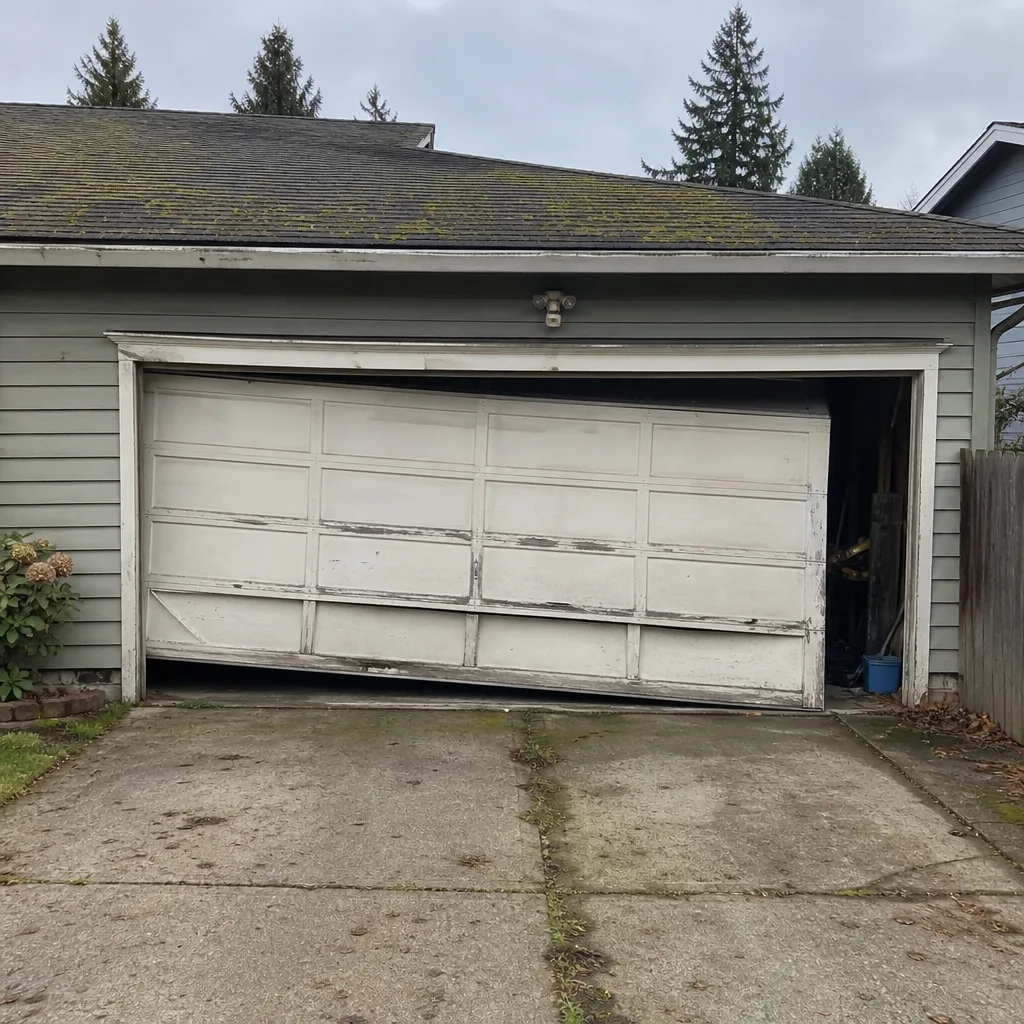 Before
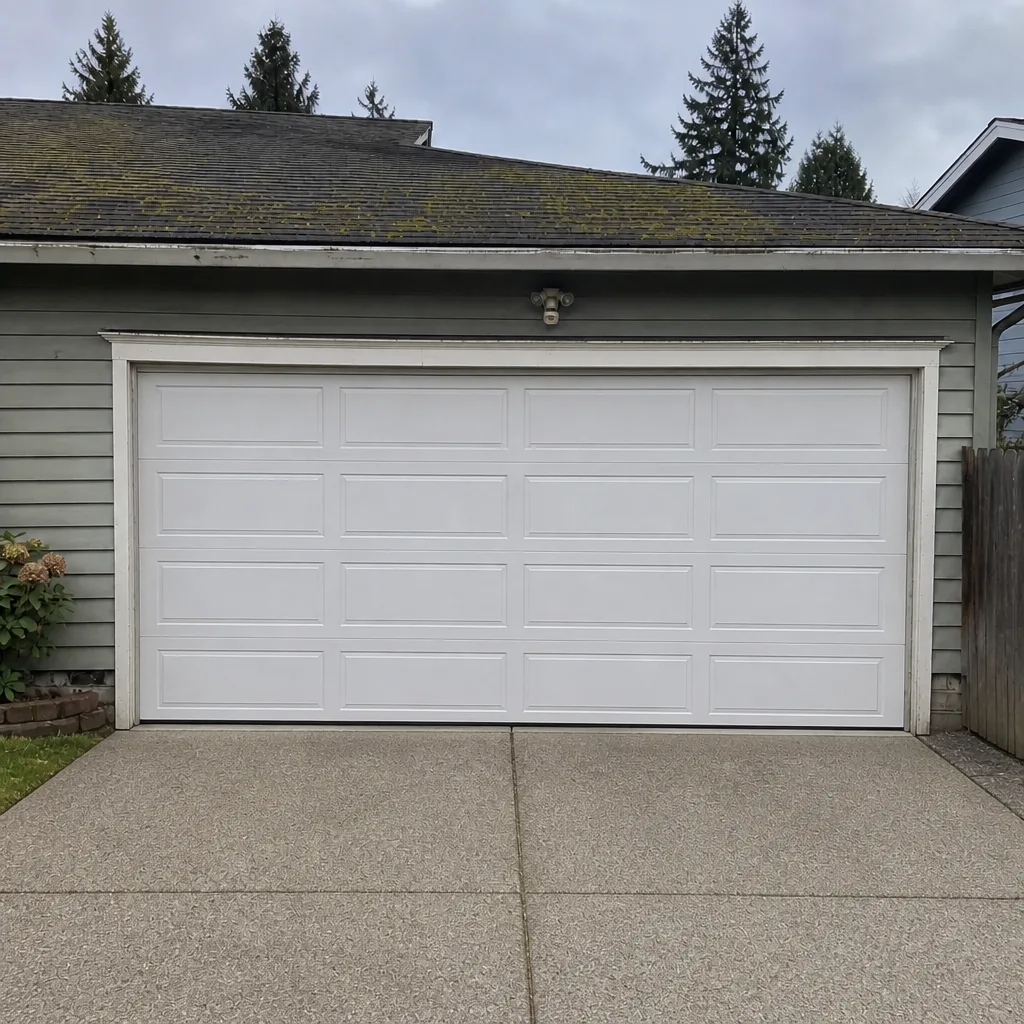 After
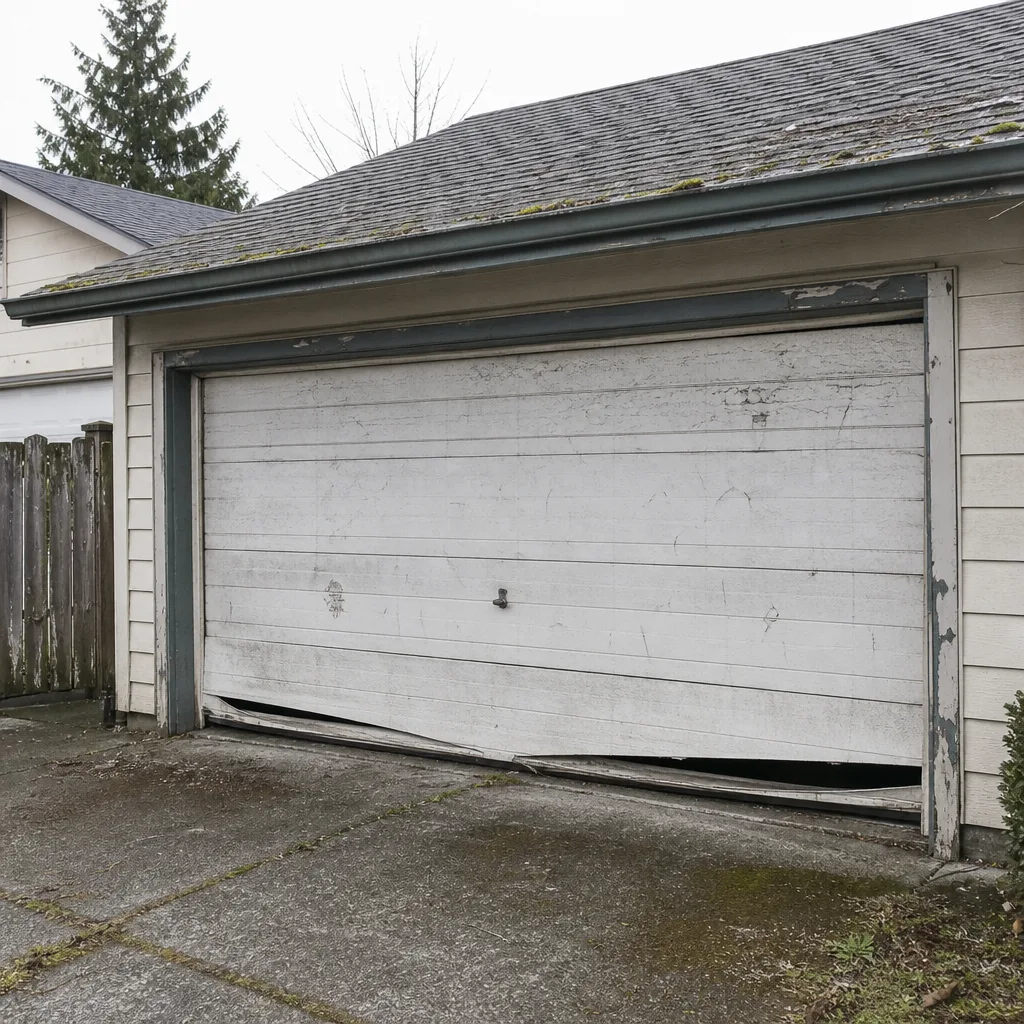 Before
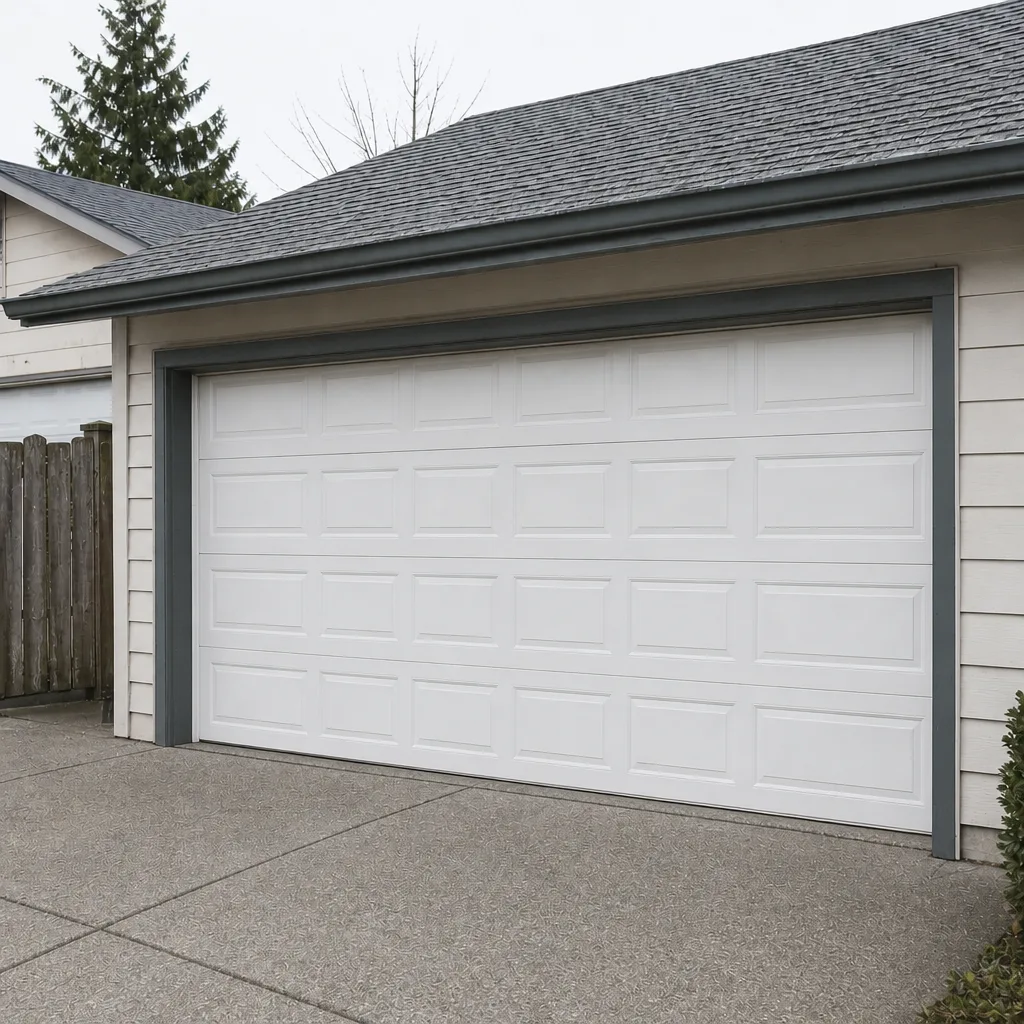 After
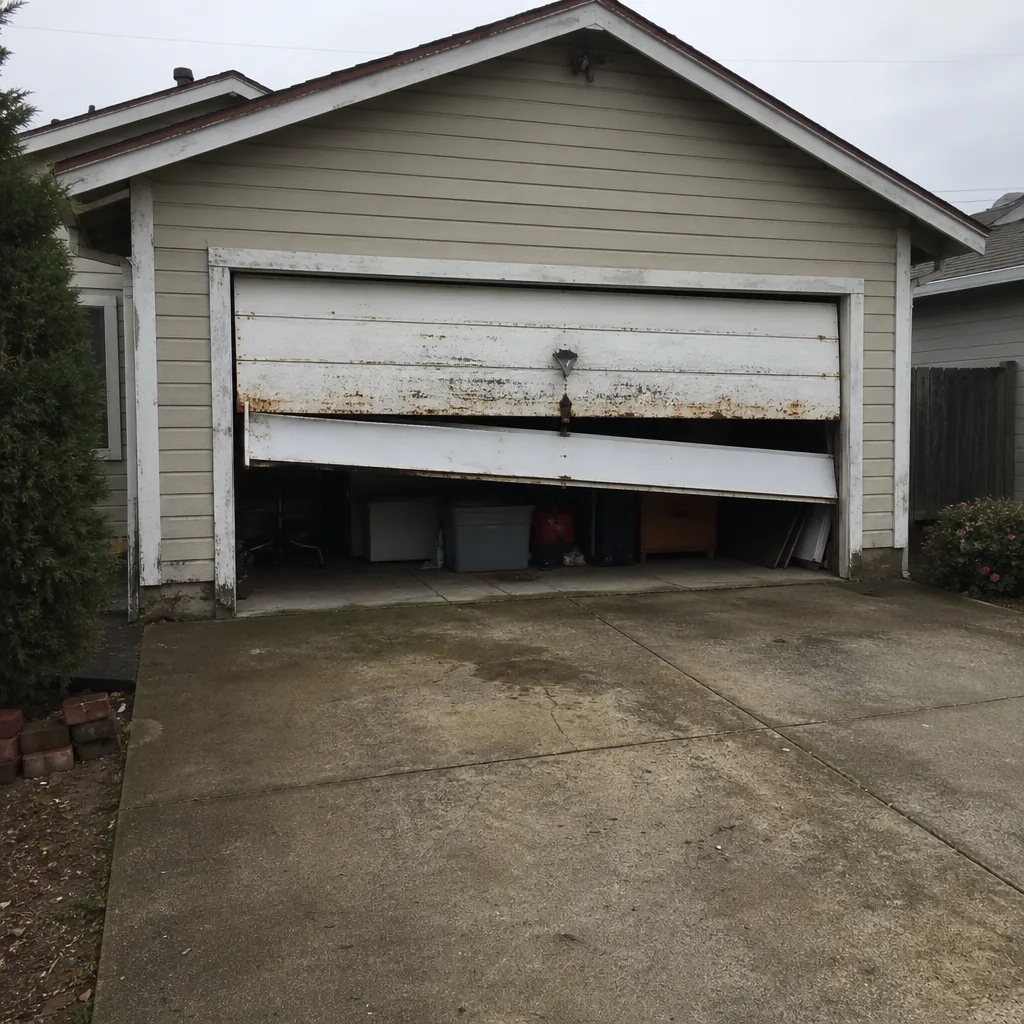 Before
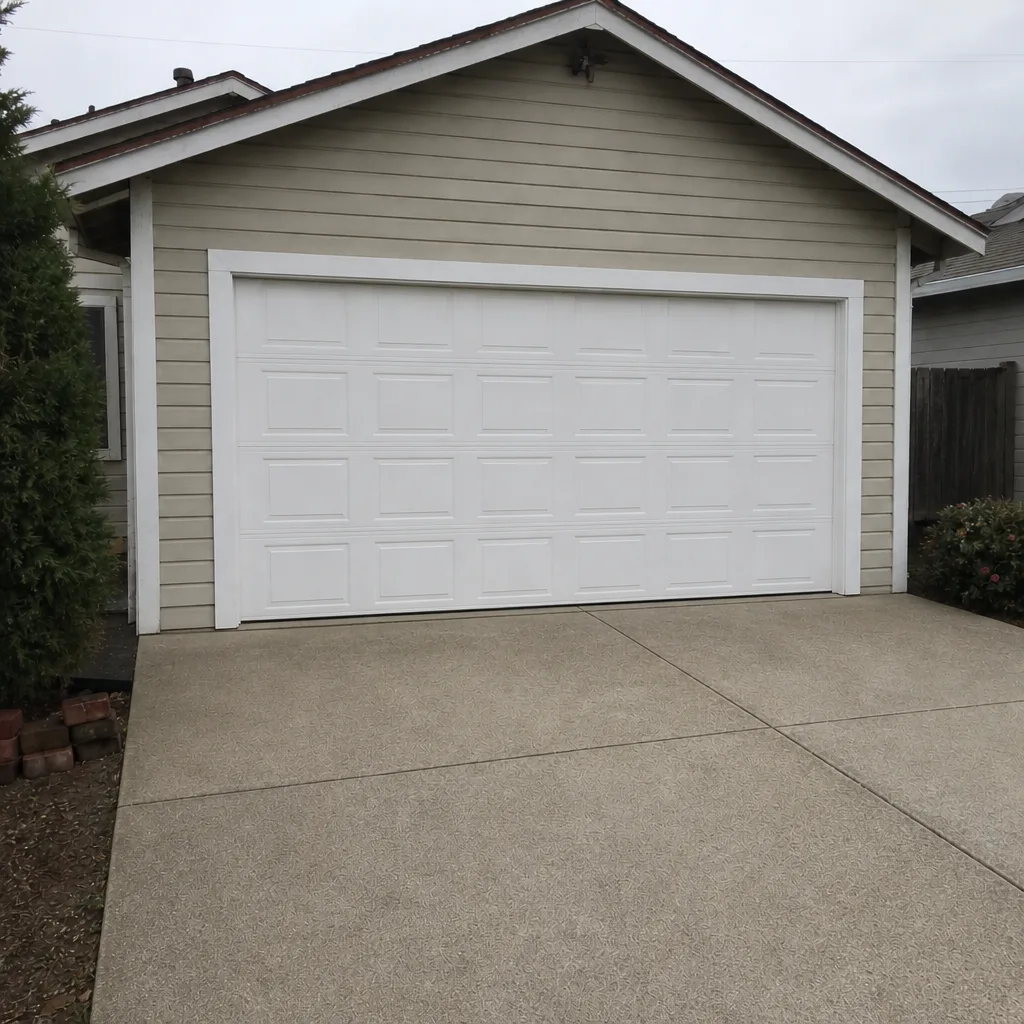 After